Peptide Sciences: Structure, Function and Research Uses

Peptide sciences has emerged as one of the most transformative and rapidly evolving disciplines in modern biochemistry, pharmacology, and translational medicine. In 2026, researchers, clinicians, and biohackers worldwide are paying closer attention than ever before to the extraordinary potential locked inside short-chain amino acid sequences otherwise known as peptides.
Whether you are a laboratory scientist investigating novel therapeutic compounds, a wellness researcher tracking tissue regeneration mechanisms, or simply someone curious about how bioactive molecules signal the body to heal, repair, and optimize, this guide is your most comprehensive resource on peptide sciences available today.
At Ageless Vitality Peptides, our mission is to support legitimate scientific inquiry by providing high-purity research-grade peptides. Every product we offer is intended solely for in vitro and preclinical research and is not approved for human consumption by the FDA. With that foundational principle clearly established, let us dive deep into the science.
⚠️ FDA Disclaimer: The statements on this page have not been evaluated by the U.S. Food and Drug Administration. Products offered by Ageless Vitality Peptides are chemical reagents intended for research purposes only. They are not intended to diagnose, treat, cure, or prevent any disease. We do not sell to patients. Please review our Terms & Conditions before placing an order.
What Is Peptide Science? A Foundational Overview
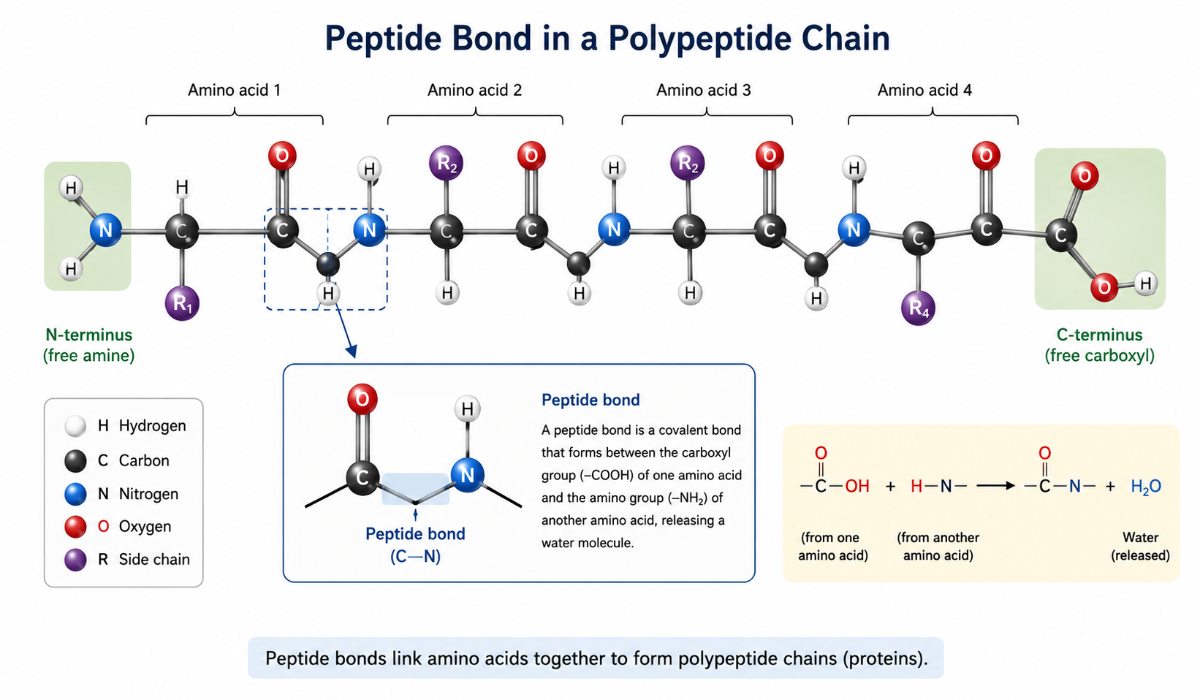
Peptide science also called peptidology or peptide biochemistry is the interdisciplinary study of short chains of two to approximately fifty amino acids that are covalently linked by peptide bonds. These structures occupy a uniquely powerful position in biology: they are too small to be classified as full proteins, yet too biologically active to be dismissed as simple building blocks.
At their core, peptides function as biological messengers. They bind to specific receptors on cell surfaces, triggering downstream signaling cascades that regulate everything from growth and metabolism to immune responses and neurological function. Their high receptor specificity and relatively low toxicity profiles (compared to small molecules or full-length proteins) have made them central to 21st-century drug discovery.
The global peptide therapeutics market was valued at over $40 billion USD in 2024 and is projected to surpass $70 billion by 2030, driven by breakthroughs in obesity treatment, metabolic disease, oncology, and regenerative medicine. This explosive growth is a direct reflection of the growing importance of peptide sciences across virtually every healthcare domain.
Key Terminology in Peptide Sciences
| Term | Definition |
|---|---|
| Amino Acid | The monomer unit of a peptide; 20 standard types exist in biology |
| Peptide Bond | A covalent bond between the carboxyl group of one amino acid and the amino group of another |
| Oligopeptide | 2–10 amino acids linked together |
| Polypeptide | 10–50 amino acids; the precursor category to full proteins |
| Bioactive Peptide | A peptide with a specific biological function or receptor interaction |
| Synthetic Peptide | A peptide manufactured in a laboratory via solid-phase peptide synthesis (SPPS) |
| Half-Life | The time it takes for a peptide’s concentration to reduce by 50% in a biological system |
| Lyophilization | Freeze-drying process used to stabilize peptides for storage and transport |
| GLP-1 Agonist | A peptide that mimics glucagon-like peptide-1, relevant to metabolic research |
| Neuropeptide | A peptide that functions in the nervous system as a neurotransmitter or neuromodulator |
The Biology Behind Peptide Signaling
Understanding how peptides work at the cellular level is essential for any serious researcher engaging with peptide sciences. Unlike steroid hormones that pass through cell membranes, most peptides interact with G protein-coupled receptors (GPCRs) or receptor tyrosine kinases (RTKs) on the extracellular surface.
When a peptide ligand binds to its receptor, it initiates a signaling cascade involving second messengers such as cyclic adenosine monophosphate (cAMP), calcium ions (Ca²⁺), or inositol triphosphate (IP₃). These second messengers then activate specific kinases and transcription factors, ultimately altering gene expression and cellular behavior.
This mechanism explains why peptides can have such targeted, tissue-specific effects a property that makes them exceptionally valuable in research settings. For example:
- Growth hormone-releasing peptides (GHRPs) stimulate pituitary cells specifically to secrete growth hormone
- Neuropeptides like Semax modulate brain-derived neurotrophic factor (BDNF) expression in neurons
- Body protective compounds like BPC-157 interact with growth hormone receptors in the gastric mucosa
The specificity-potency combination is what distinguishes bioactive peptides from broader pharmacological agents. Researchers can study highly targeted interventions with minimal confounding variables.
Categories of Research Peptides: A Scientific Classification
Modern peptide sciences organizes research compounds into several functional categories based on their primary biological target and mechanism of action.
1. Neuropeptides and Cognitive Research Compounds
Neuropeptides are among the most exciting frontiers in peptide research. They modulate brain function, neuroplasticity, memory consolidation, and stress response. Researchers studying neurological conditions, cognitive performance, and anxiety mechanisms frequently investigate this class.
Semax, an ACTH(4–10) analog developed in Russia, has been extensively studied in academic settings for its influence on BDNF, NGF (nerve growth factor), and serotonergic signaling. Research suggests it may support neuroplasticity mechanisms relevant to stroke recovery models and cognitive function studies. If you are exploring this compound in detail, our Semax research guide provides a thorough breakdown of preclinical findings. Researchers can also source high-purity Semax 10mg directly from our catalog.
Selank, a synthetic analog of the endogenous peptide tuftsin, is another compound receiving growing research interest for its anxiolytic and immunomodulatory properties. Studies published in peer-reviewed journals have reported that Selank interacts with GABAergic and serotonergic systems. For researchers exploring anxiety-model experiments, Selank 10mg is available as a lyophilized research reagent.
For a detailed exploration of the cognitive benefits observed in preclinical studies, our Semax peptide benefits guide covers the science-backed literature.
2. Growth Hormone Secretagogues (GHS)
Growth hormone secretagogues are among the most studied peptide categories, particularly for applications in aging biology, body composition research, and metabolic physiology. These peptides stimulate the pituitary gland’s somatotroph cells to release growth hormone (GH) through either GHRH (growth hormone-releasing hormone) receptor agonism or ghrelin receptor agonism.
CJC-1295 is a modified GHRH analog with a DAC (Drug Affinity Complex) modification that significantly extends its half-life compared to native GHRH. In combination with Ipamorelin, a selective ghrelin receptor agonist, researchers have observed robust GH pulse amplification with minimal cortisol or prolactin elevation a profile that distinguishes it from older GHSs. Our CJC-1295 Ipamorelin research guide is an essential read for any investigator working in this space. The blended formulation CJC-1295 5mg / Ipamorelin 5mg Blend 10mg is also available for research procurement.
Tesamorelin, a stabilized GHRH analog, has a notable research history, including FDA approval for HIV-associated lipodystrophy making it one of the few peptides with regulatory precedent. Researchers comparing growth hormone secretagogues often reference our Tesamorelin vs Sermorelin comparison for mechanism-level distinctions. Our dedicated Tesamorelin visceral fat research guide provides further academic context for metabolic investigators.
IGF-1 LR3 (Insulin-like Growth Factor-1 Long R3) is a modified form of IGF-1 with enhanced receptor binding and extended half-life. It serves as a downstream mediator of GH signaling and has been extensively studied in muscle biology and metabolic research. For visual documentation of research outcomes in this domain, our IGF-1 LR3 before-and-after research review aggregates key preclinical findings.
3. Tissue Repair and Regenerative Peptides
Regenerative peptide research has accelerated significantly in the past decade, driven by demand for novel interventions in wound healing, tendon repair, gut mucosal restoration, and inflammatory disease models.
BPC-157 (Body Protection Compound-157) is a pentadecapeptide derived from a gastric juice protein. It is arguably the most researched regenerative peptide in preclinical literature, with hundreds of published studies documenting its effects on:
- Angiogenesis (new blood vessel formation)
- Tendon-to-bone healing
- Nitric oxide pathway modulation
- Gastric mucosal protection
- Neurological recovery models
The compound interacts with growth hormone receptors, the FAK-paxillin pathway, and vascular endothelial growth factor (VEGF) signaling. Researchers can access BPC-157 5mg for in vitro and animal model experiments. Our comprehensive resource on BPC-157 for sale, benefits, and research context is a valuable starting point.
TB-500 (Thymosin Beta-4 Fragment) is derived from the naturally occurring protein Thymosin Beta-4, which plays a critical role in actin sequestration and cell motility. In research models, TB-500 has demonstrated remarkable properties in:
- Wound healing acceleration
- Cardiac tissue repair following ischemic injury
- Anti-inflammatory cytokine modulation
- Promotion of stem cell recruitment to injury sites
The TB-500 Thymosin Beta-4 Fragment 5mg formulation is available for laboratory procurement. Many researchers combine BPC-157 and TB-500 for synergistic tissue repair protocols a topic we cover extensively in our BPC-157 and TB-500 combination guide.
For those studying dual-action regenerative models, the BPC-157 5mg + TB-500 5mg Blend 10mg offers a pre-combined research formulation.
4. Metabolic and Weight-Regulation Peptides
The metabolic peptide class has undergone a revolution over the past five years, largely driven by research on GLP-1 receptor agonists. These peptides act on pathways that regulate insulin secretion, appetite, gastric emptying, and energy expenditure.
Semaglutide — a GLP-1 receptor agonist became globally recognized following the clinical success of branded weight-loss drugs. Researchers studying GLP-1 biology and metabolic syndrome models frequently investigate semaglutide’s pharmacodynamics. For context on tolerability, our resource on how long semaglutide side effects last is referenced by investigators designing safety monitoring protocols.
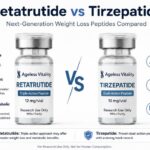
Tirzepatide is a dual GIP/GLP-1 receptor agonist representing the next generation of metabolic research compounds. Phase 3 clinical data demonstrated superior weight reduction compared to GLP-1 monotherapy. Our Tirzepatide 10mg research overview details the mechanistic rationale behind dual receptor targeting.
Retatrutide — an investigational triple agonist targeting GLP-1, GIP, and glucagon receptors simultaneously represents the cutting edge of obesity biology research as of 2026. Currently in Phase 3 clinical trials and not yet FDA-approved, retatrutide is studied for its ability to amplify energy expenditure beyond what single or dual agonists achieve. Researchers interested in this compound can review our Retatrutide 10mg research page and our analysis of how long 10mg of Retatrutide lasts in research protocols.
Peptide Sciences and Skincare: The Dermatological Research Frontier
Beyond systemic research, peptide sciences have made a profound impact on dermatological science and skincare formulation. Topical peptides function as signaling molecules that communicate with fibroblasts and keratinocytes, stimulating:
- Collagen synthesis (types I, III, and IV)
- Elastin production
- Barrier repair and hydration retention
- Melanogenesis regulation (relevant to hyperpigmentation research)
Key peptide classes studied in dermatology include:
Peptide Class Example Primary Function
Signal Peptides Palmitoyl Pentapeptide-4 (Matrixyl) Stimulates collagen and elastin production.
Carrier Peptides GHK-Cu (Copper Peptide) delivers copper to support enzymatic repair.
Neurotransmitter Inhibitors Acetyl Hexapeptide-3 (Argireline) reduces acetylcholine release, smoothing expression lines.
Enzyme Inhibitors: Soybean Peptide Inhibits collagenase and elastase degradation.
Antimicrobial Peptides Defensins Regulate Skin Microbiome Balance
Our peptide serum research overview explores how topically applied peptide formulations are being studied in skin biology laboratories. In contrast, our guide to natural peptides differentiates endogenous peptide biology from synthetic analogs.
Solid-Phase Peptide Synthesis: How Research Peptides Are Made
To appreciate the quality and precision required in peptide sciences, it helps to understand how synthetic peptides are produced. The industry standard is Solid-Phase Peptide Synthesis (SPPS), a method pioneered by R. Bruce Merrifield (Nobel Prize, 1984).
The process involves:
- Attachment of the first amino acid (C-terminus) to a solid resin support
- Deprotection of the alpha-amino group
- Coupling of the next protected amino acid using coupling reagents (e.g., HBTU, DIC)
- Washing to remove excess reagents
- Repetition of steps 2–4 until the full sequence is assembled
- Cleavage from the resin and side-chain deprotection
- Purification via HPLC (High-Performance Liquid Chromatography)
- Lyophilization to produce the final stable powder
Quality control in reputable peptide science laboratories includes:
- Mass Spectrometry (MS) to verify molecular weight and sequence
- HPLC purity analysis (typically ≥98% purity for research-grade compounds)
- Certificate of Analysis (CoA) documentation for every batch
At Ageless Vitality Peptides, we source from manufacturing partners who adhere to these standards, providing researchers with reliable, reproducible compounds for their investigations.
Peptide Sciences in Muscle Biology: Anabolic Signaling Research
Muscle physiology is one of the most active research domains within peptide sciences. The anabolic signaling network governing skeletal muscle protein synthesis involves several interlocking peptide pathways:
The GH/IGF-1 Axis: Growth hormone stimulates hepatic and peripheral production of IGF-1, which then binds to IGF-1 receptors on myocytes, activating the mTOR pathway and downstream protein synthesis cascades. Research in this area often investigates peptides that modulate GH pulsatility or directly mimic IGF-1 signaling.
Myostatin Inhibition: Myostatin (GDF-8) is an endogenous protein that inhibits muscle growth. Peptides that interfere with myostatin signaling are studied in the context of muscular dystrophy and sarcopenia research models.
For comprehensive reading on peptides studied in muscle biology contexts, our best peptide for muscle growth research guide aggregates the existing preclinical literature. Our broader best peptides overview also provides a categorical comparison across research applications.
Peptides for Fat Loss Research: Metabolic Pathway Mechanisms
Metabolic peptide research has produced some of the most clinically significant findings in modern medicine. The scientific rationale for peptide-based fat loss research centers on several key mechanisms:
Lipolysis Activation: Peptides that increase cAMP in adipocytes (fat cells) activate hormone-sensitive lipase (HSL), which catalyzes the breakdown of stored triglycerides into free fatty acids a process called lipolysis.
Appetite Suppression via Hypothalamic Signaling: GLP-1 receptor agonists reduce appetite by acting on the hypothalamic arcuate nucleus and slowing gastric emptying, thereby slowing caloric absorption.
Thermogenesis Upregulation: Some peptides, particularly glucagon receptor agonists, increase brown adipose tissue (BAT) activity raising basal metabolic rate.
Our best peptides for fat loss research guide provides a mechanistic breakdown of compounds studied in obesity and metabolic syndrome animal models.
Bacteriostatic Water: The Essential Reconstitution Medium in Peptide Research
No discussion of peptide sciences methodology would be complete without addressing the reconstitution medium. Most research peptides are shipped as lyophilized (freeze-dried) powders that require reconstitution before use in laboratory settings.
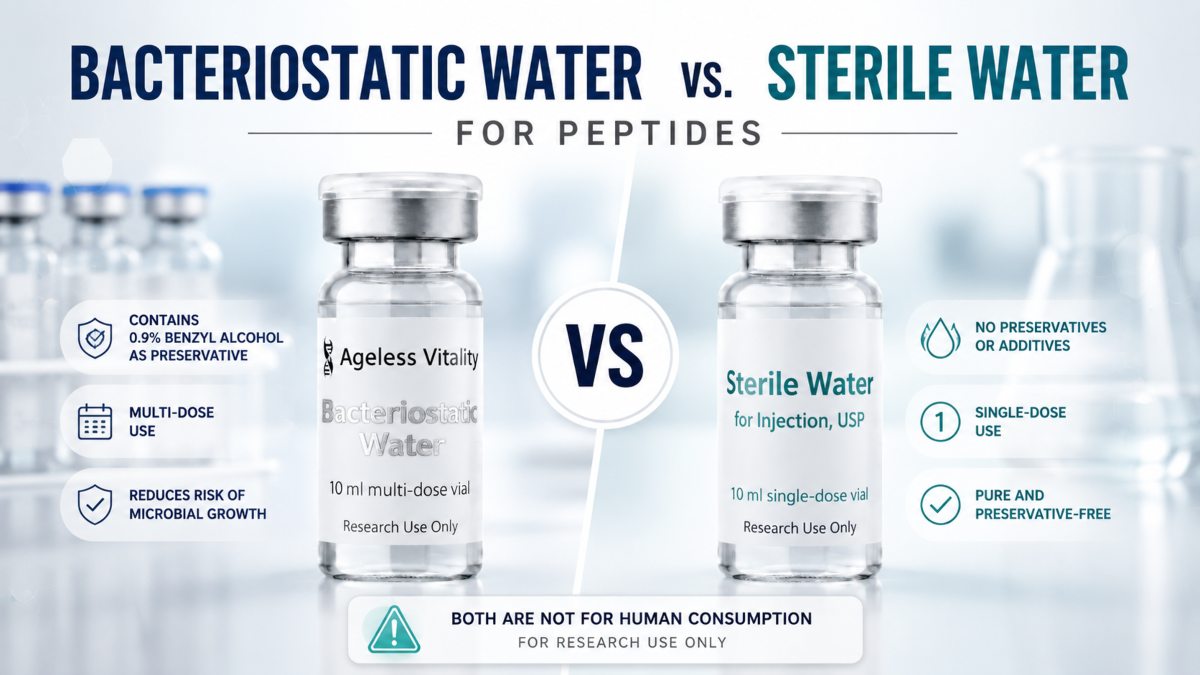
Bacteriostatic water (BW) — sterile water containing 0.9% benzyl alcohol as a preservative is the standard medium for peptide reconstitution because:
- Benzyl alcohol inhibits bacterial contamination without degrading the peptide
- It maintains stability for extended storage periods after reconstitution
- It is isotonic, minimizing osmotic disruption in cell culture systems
For a complete methodology guide, our bacteriostatic water research guide covers correct reconstitution ratios, storage temperatures, and sterility protocols.
Key Research Facts and Statistics: Peptide Sciences in Numbers
| Statistic | Figure | Source / Context |
|---|---|---|
| Global peptide therapeutics market (2024) | $40+ billion USD | Industry analysts |
| Projected market size by 2030 | $70+ billion USD | Market research forecasts |
| Peptide-based drugs approved by FDA (as of 2025) | 80+ compounds | FDA database |
| Number of peptides in clinical trials (2025) | 150+ | PharmaProjects |
| BPC-157 published preclinical studies | 300+ | PubMed index |
| Half-life of native GHRH in bloodstream | ~7 minutes | Pharmacokinetic data |
| Half-life of CJC-1295 with DAC | ~6–8 days | Clinical pharmacology |
| Purity standard for research-grade peptides | ≥98% by HPLC | Industry standard |
| Amino acid types used in peptide synthesis | 20 standard + unnatural | Biochemistry literature |
| Number of active GLP-1 agonist trials (2024–2026) | 200+ | ClinicalTrials.gov |
The Role of Peptide Sciences in Longevity and Anti-Aging Research
One of the most compelling frontiers in peptide sciences is its application to geroscience the study of aging biology. Several mechanisms of aging are being investigated through the lens of peptide intervention:
Telomere Biology: Certain peptides are being studied for their ability to activate telomerase the enzyme responsible for maintaining telomere length, a key marker of cellular aging.
Mitochondrial Function: Peptides targeting mitochondrial biogenesis pathways (via PGC-1α activation) are of interest to researchers studying metabolic decline in aging models.
Senolytic Research: Some bioactive peptides are being investigated for their ability to selectively induce apoptosis in senescent (“zombie”) cells, a process that may reduce the chronic inflammation characteristic of aging.
Hormonal Restoration: The age-related decline in growth hormone pulsatility is well-documented. Research into GHRPs and GHRH analogs is partly motivated by the goal of restoring more youthful hormonal patterns in aging animal models.
Our CJC-1295 Ipamorelin guide provides context for one of the most-researched GH-restoration peptide combinations currently studied in this domain.
Ethical and Regulatory Considerations in Peptide Research
Responsible peptide science requires a clear understanding of regulatory frameworks. In the United States, most synthetic peptides that are not FDA-approved drugs are classified as research chemicals compounds that may be legally purchased and used for in vitro (cell culture) or in vivo (animal model) research in licensed laboratory settings.
Key regulatory considerations include:
FDA Classification: Research peptides are not approved drugs. Suppliers like Ageless Vitality Peptides operate as chemical reagent companies, not pharmaceutical manufacturers or compounding pharmacies. We are not a compounding pharmacy as defined under 503A, nor an outsourcing facility as defined under 503B of the Federal Food, Drug, and Cosmetic Act.
IRB and IACUC Protocols: Researchers conducting animal model studies with peptides are required to obtain appropriate Institutional Review Board (IRB) or Institutional Animal Care and Use Committee (IACUC) approvals.
Chain of Custody Documentation: Reputable research institutions maintain strict records of compound procurement, storage, and usage to comply with laboratory regulations.
Import and Export Regulations: International researchers should verify their local regulatory frameworks before procuring peptides from foreign suppliers.
How to Choose a Reliable Peptide Research Supplier
The quality of your research depends fundamentally on the quality of your compounds. When evaluating peptide suppliers in 2026, researchers should apply the following criteria:
1. Certificate of Analysis (CoA) Availability Every batch should come with a CoA verified by third-party HPLC and mass spectrometry analysis.
2. Purity Standards Research-grade peptides should meet ≥98% purity by HPLC. Lower purity increases the risk of confounding results from impurities.
3. Lyophilization and Storage Conditions Properly lyophilized peptides maintain stability far longer than liquid formulations. Storage at -20°C is standard for most peptides.
4. Transparent Sourcing Suppliers should be able to disclose where their peptides are synthesized and what quality control steps are employed.
5. Scientific Support Resources A supplier that provides educational research content as Ageless Vitality Peptides does through guides on topics ranging from CJC-1295 Ipamorelin protocols to detailed BPC-157 and TB-500 synergy research demonstrates a genuine commitment to supporting the scientific community.
6. No Medical Claims Legitimate research suppliers clearly state that their products are not for human use and do not make therapeutic claims. This is a non-negotiable compliance marker.
Peptide Sciences Glossary: Advanced Terminology for Researchers
| Term | Definition |
|---|---|
| GPCR | G Protein-Coupled Receptor — primary target for many bioactive peptides |
| SPPS | Solid-Phase Peptide Synthesis — standard manufacturing method |
| HPLC | High-Performance Liquid Chromatography — purity verification method |
| CoA | Certificate of Analysis — quality documentation for each batch |
| Lyophilization | Freeze-drying to stabilize peptide powder for storage |
| Reconstitution | Dissolving lyophilized peptide in bacteriostatic or sterile water |
| Half-life | Time for 50% of a compound to be eliminated from a biological system |
| Receptor Agonist | A molecule that binds to and activates a receptor |
| Receptor Antagonist | A molecule that blocks receptor activation |
| GLP-1 | Glucagon-Like Peptide-1 — key metabolic hormone and drug target |
| GHRPs | Growth Hormone-Releasing Peptides — stimulate GH secretion from pituitary |
| BDNF | Brain-Derived Neurotrophic Factor — key neuropeptide target |
| mTOR | Mammalian Target of Rapamycin — central protein synthesis regulator |
| Bioavailability | Fraction of administered compound that reaches systemic circulation |
| Lipidation | Adding fatty acid chains to peptides to extend half-life |
Future Directions in Peptide Sciences: What Research Will Reveal Next
The field of peptide sciences in 2026 stands at an inflection point. Several emerging directions are expected to define the next decade of research:
Oral Peptide Delivery Systems: Traditionally, peptides required injection due to their susceptibility to digestive enzymatic degradation. Advances in enteric coating, nanoparticle encapsulation, and peptide stapling are opening pathways to oral bioavailability a potential game-changer for therapeutic applications.
AI-Driven Peptide Discovery: Machine learning algorithms can now predict peptide sequences with desired receptor affinity and metabolic stability, dramatically accelerating the drug discovery pipeline.
Peptide-Antibody Conjugates: Combining peptides with monoclonal antibodies creates bispecific molecules with enhanced targeting capabilities a frontier in oncology research.
Epigenetic Modulators: Peptides that influence histone modification and DNA methylation patterns represent a new class of epigenetic research tools with profound implications for aging biology and disease research.
Microbiome-Derived Peptides: Researchers are discovering that gut bacteria produce bioactive peptides that influence host physiology opening an entirely new domain of peptide sciences at the interface of microbiology and medicine.
Conclusion: Peptide Sciences as the Foundation of Next-Generation Biomedical Research
Peptide sciences represents one of the most versatile, rapidly expanding, and scientifically profound fields in modern biology. From neuropeptides that modulate cognition to metabolic regulators reshaping our understanding of obesity, from regenerative compounds that accelerate tissue repair to cosmeceutical applications in skin biology the scope of peptide research has never been broader or more impactful.
For researchers committed to advancing knowledge in these domains, having access to high-purity, well-characterized research compounds is essential. Ageless Vitality Peptides is proud to support the scientific community with research-grade reagents, including Semax 10mg, Selank 10mg, BPC-157, TB-500, the BPC-157 + TB-500 Blend, and the CJC-1295 / Ipamorelin Blend.
All compounds are intended solely for in vitro and preclinical research use, in compliance with all applicable regulations.
Frequently Asked Questions (FAQs)
What is the difference between a peptide and a protein?
Peptides are short chains of 2–50 amino acids linked by peptide bonds, while proteins are larger polypeptide chains that typically exceed 50 amino acids and adopt complex three-dimensional structures. Peptides are often biologically active as signaling molecules without requiring full protein folding.
Are research peptides legal to buy?
In the United States, synthetic peptides that are not FDA-approved drugs can legally be purchased for in vitro (laboratory) research purposes. They are classified as research chemicals and are not approved for human consumption. Buyers should verify the regulatory framework in their specific jurisdiction.
What does “lyophilized” mean for peptide storage?
Lyophilized means freeze-dried. This process removes water from the peptide solution, producing a stable powder that can be stored at -20°C for extended periods without degradation. Lyophilized peptides must be reconstituted in bacteriostatic water or sterile water before use in laboratory protocols.
How do GLP-1 receptor agonist peptides work in research models?
GLP-1 receptor agonists bind to GLP-1 receptors on pancreatic beta cells, triggering glucose-dependent insulin secretion. They also act on hypothalamic receptors to reduce appetite signaling and slow gastric emptying. In research models, they are used to study mechanisms of type 2 diabetes, obesity biology, and interventions for metabolic syndrome.
What is the significance of peptide purity in research?
Peptide purity directly impacts the reproducibility and reliability of research findings. Impurities can act as confounding variables, producing false-positive or false-negative results. Research-grade peptides should maintain ≥98% purity as verified by HPLC and confirmed by mass spectrometry.