CJC-1295 Ipamorelin: Dosage and Benefits Overview
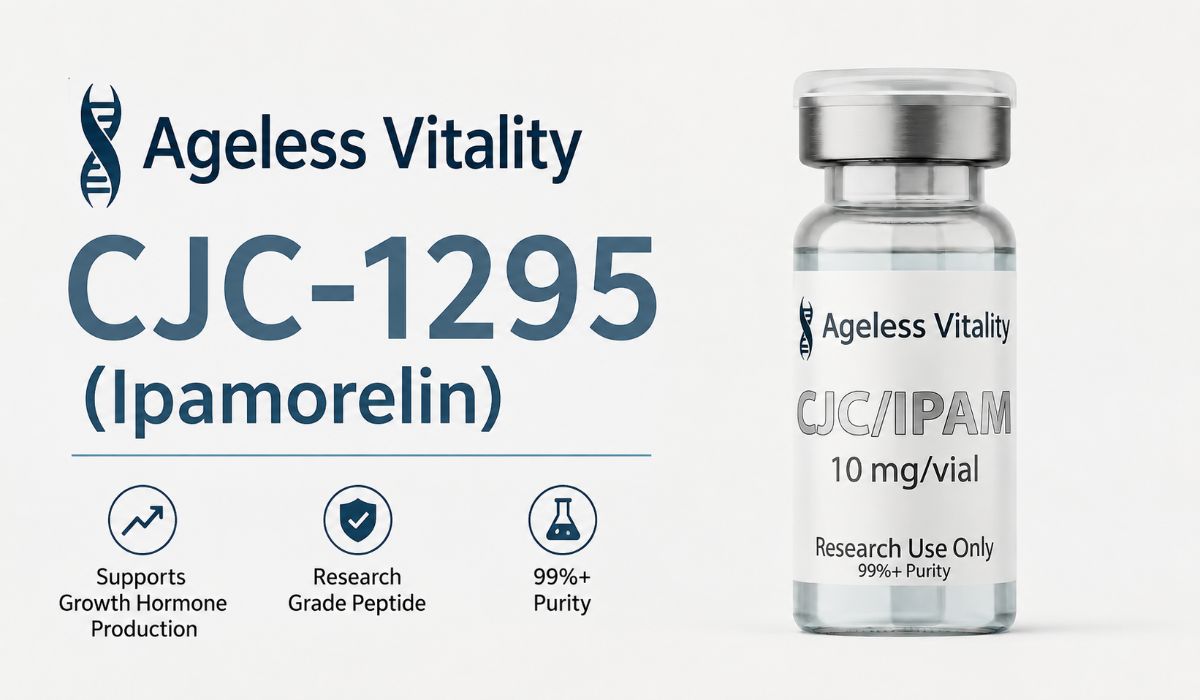
Table of Contents
- What Are CJC-1295 and Ipamorelin?
- How CJC-1295 + Ipamorelin Works Together
- CJC 1295 Benefits Backed by Research
- CJC-1295 Ipamorelin Dosage Per Day & Bodybuilding Protocol
- CJC-1295 Ipamorelin Side Effects
- CJC-1295 + Ipamorelin Before and After: What Researchers Report
- Comparing CJC-1295 With Other Peptides
- Popular Peptide Stacks for Research
- Where to Source CJC-1295 Ipamorelin for Research
- Frequently Asked Questions (FAQs)
Among the peptide compounds that have drawn significant attention in the research community in 2026, the CJC-1295/Ipamorelin combination stands out as one of the most studied growth hormone secretagogue blends. Whether you are a researcher exploring GH axis modulation, a scientist studying body composition changes in animal models, or an academic reviewing published literature on peptide synergy, this guide delivers a data-driven, breakdown of everything known about ipamorelin CJC 1295 as of mid-2026.
This article covers the mechanism of action, CJC-1295 ipamorelin dosage per day protocols, documented CJC-1295 ipamorelin side effects, and the compelling CJC-1295 + ipamorelin before and after data emerging from research literature and observational reports.
1. What Are CJC-1295 and Ipamorelin?
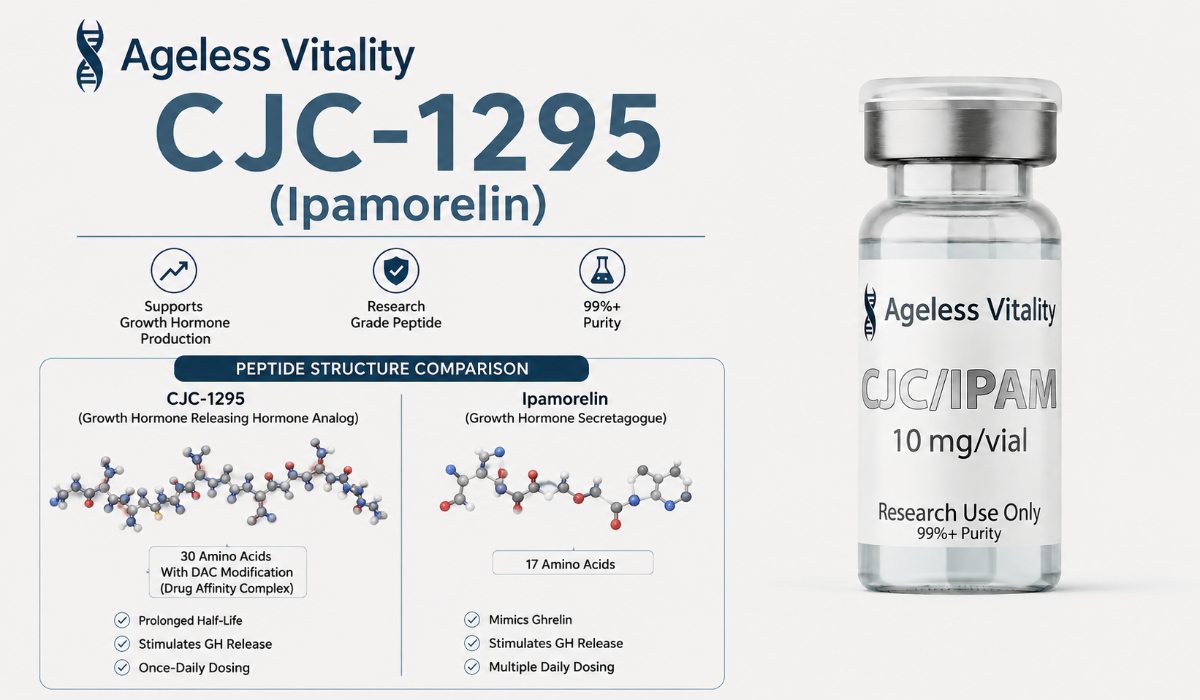
CJC-1295 is a synthetic analogue of growth hormone-releasing hormone (GHRH). It was developed to extend the half-life of endogenous GHRH, which naturally degrades within minutes. The most commonly studied form used in combination protocols is CJC-1295 without DAC (also called Modified GRF 1-29), which has a half-life of approximately 30 minutes and closely mimics the body’s natural pulsatile GH release pattern.
Ipamorelin is a selective growth hormone secretagogue receptor (GHSR) agonist and a ghrelin mimetic. Unlike older GHRPs such as GHRP-2 or GHRP-6, ipamorelin is noted in research for its high selectivity it stimulates GH release without significantly elevating cortisol, prolactin, or ACTH, making it one of the cleanest GH secretagogues studied to date.
Quick Research Facts
- CJC-1295 molecular weight: ~3,647 Da (Modified GRF 1-29)
- Ipamorelin molecular weight: ~711 Da
- Primary target: Pituitary somatotroph cells (GH-releasing axis)
- Research half-life (CJC-1295 no DAC): ~30 minutes
- Research half-life (Ipamorelin): ~2 hours
- Synergy mechanism: Dual pathway GH stimulation (GHRH + ghrelin receptor)
Why Combine CJC-1295 With Ipamorelin?
Research published in endocrinology and peptide pharmacology consistently demonstrates that combining a GHRH analogue with a GHRP produces a synergistic amplification of GH pulses far exceeding what either compound achieves alone. CJC-1295 primes the pituitary and extends the window of GH release, while ipamorelin delivers a clean, targeted GH pulse via the ghrelin receptor pathway. Together, they create a dual-signal approach that models the body’s natural hormonal rhythms more faithfully than either peptide alone.
2. How CJC-1295 + Ipamorelin Work Together
Understanding the pharmacodynamics of the CJC-1295 + ipamorelin combination requires a basic grasp of the growth hormone axis. GH release from the anterior pituitary is governed by two opposing signals: GHRH (stimulatory) and somatostatin (inhibitory). Ipamorelin, acting on GHSR-1a receptors, simultaneously stimulates GH release and suppresses somatostatin tone. CJC-1295 amplifies the GHRH signal. The result is a larger, more robust GH pulse that more closely resembles a youthful, physiologically normal pattern.
| Mechanism | CJC-1295 (No DAC) | Ipamorelin | Combined Effect |
|---|---|---|---|
| Primary receptor target | GHRH-R (pituitary) | GHSR-1a (ghrelin receptor) | Dual-pathway activation |
| GH pulse amplitude | Moderate increase | Moderate increase | Synergistic amplification |
| IGF-1 elevation | Yes | Yes | Enhanced IGF-1 production |
| Cortisol spike | Minimal | None reported in research | Negligible cortisol impact |
| Appetite stimulation | None | Minimal (ghrelin-like) | Slight increase possible |
| Somatostatin suppression | No | Yes | Reduced inhibitory tone |
Downstream from GH, the liver responds by increasing IGF-1 (insulin-like growth factor 1) production. IGF-1 is the primary mediator responsible for many of the tissue-building, metabolic, and anti-aging effects associated with GH optimization. For researchers interested in body composition outcomes, you can explore related IGF-1 LR3 data before and after for comparative analysis.
3. CJC 1295 Benefits Backed by Research
The benefits of CJC 1295, documented in peer-reviewed research and observational data, span multiple physiological domains. Below is a structured breakdown aligned with the most commonly cited research outcomes.
Body Composition and Lean Muscle Research
Research models studying GH secretagogue blends consistently report improvements in fat-free mass and reductions in adipose tissue. The elevated GH and IGF-1 environment created by the CJC-1295 ipamorelin combination supports protein synthesis, satellite cell activation (muscle repair), and lipolysis (fat breakdown). In the context of CJC-1295 + ipamorelin bodybuilding dosage research, this combination has been widely explored as a means of achieving lean mass gains without the androgenic side effects associated with other performance-enhancing compounds.
Sleep Architecture Improvements
One of the most consistently reported early effects in research subjects is improved sleep quality. GH is naturally secreted during deep slow-wave sleep (SWS). Compounds that enhance GH pulsatility have been observed to deepen SWS, increase dream vividness, and improve overall sleep architecture. Many research protocols note improved sleep as the first observable indicator often within the initial one to two weeks.
Metabolic and Fat-Reduction Effects
Elevated GH and IGF-1 levels created by this peptide combination promote lipolysis, particularly in visceral adipose tissue. Research comparing GH-axis peptides for metabolic purposes should also review tesamorelin vs. sermorelin as comparative GHRH analogues with distinct metabolic profiles.
Recovery and Tissue Repair
Elevated GH signaling accelerates collagen synthesis, improves connective tissue health, and shortens recovery windows between training sessions in research models. This recovery-enhancing quality is distinct from the direct tissue-repair mechanisms studied with peptides such as BPC-157 or TB-500, which operate via different pathways.
Anti-Aging and Skin Quality
GH and IGF-1 are central to dermal collagen production. Research subjects in longer-term GH secretagogue studies frequently report improvements in skin elasticity, reduced fine-line appearance, and improved hair and nail quality effects consistent with GH-mediated upregulation of the collagen pathway.
Cognitive Function
An emerging area of research involves GH’s role in neuroplasticity and cognitive function. Observational reports in longer-term protocols note improvements in mental clarity, focus, and mood, consistent with IGF-1’s known neuroprotective properties in the central nervous system. Researchers interested in cognitive peptide applications may also find value in reviewing Semax peptide research for nootropic comparison.
CJC-1295 + Ipamorelin: Key Research Outcomes at a Glance
- Sleep improvement: Typically observed within weeks 1–2 of research protocols
- Recovery enhancement: Observable within weeks 2–4
- Body composition shifts: Measurable changes reported from weeks 6–12
- Skin collagen improvement: Longer-term observation (3–6 months)
- Cognitive function: Variable; reported in longer protocols (12+ weeks)
4. CJC-1295 Ipamorelin Dosage Per Day & Bodybuilding Protocol
Dosage protocols for CJC-1295 ipamorelin vary depending on the research model, objectives, and duration. The most commonly referenced research framework uses the following parameters for the non-DAC form of CJC-1295 in combination with ipamorelin.
Note for Researchers: All dosage information below is derived from published research literature and observational clinical data. It is presented for academic and research reference purposes only. These compounds are not approved for human use by the FDA.
| Protocol Parameter | Standard Research Range | Notes |
|---|---|---|
| CJC-1295 (no DAC) dose | 100–300 mcg per injection | Most common: 100–200 mcg |
| Ipamorelin dose | 100–300 mcg per injection | Typically matched to CJC-1295 dose |
| Injection frequency | 1–3x daily (research dependent) | Evening dosing preferred to align with natural GH pulse (~1:00 AM) |
| Administration route | Subcutaneous injection | Abdomen, thigh, or deltoid area |
| Research protocol duration | 8–24 weeks (common: 12 weeks) | Some long-term studies extend to 6 months |
| Timing relative to meals | Fasted state preferred | Elevated insulin can blunt GH response |
| Timing relative to exercise | Pre- or post-training in research models | Morning or evening based on protocol design |
Evening Dosing Rationale
Research protocols consistently favor evening administration, typically 30–60 minutes before sleep. This timing takes advantage of the body’s natural circadian GH rhythm the largest endogenous GH pulse occurs during the first cycle of slow-wave sleep, typically around 1:00 AM. Administering CJC-1295 and ipamorelin before sleep synchronizes the peptide-induced GH pulse with this natural window, potentially amplifying the combined effect. For researchers comparing different GH-axis peptide timing strategies, the CJC-1295 Ipamorelin research guide provides additional protocol depth.
CJC 1295 + Ipamorelin Bodybuilding Dosage
In research models specifically designed to study body composition and performance-related endpoints contexts that would inform CJC 1295 + ipamorelin bodybuilding dosage questions higher-frequency dosing (2–3x daily) has been studied. Morning doses are sometimes included to align with post-workout GH responses. It is worth noting that the anabolic and lipolytic outcomes associated with this combination are indirect they arise from the GH/IGF-1 environment created rather than direct androgenic receptor engagement distinguishing this class of compounds from traditional anabolic research agents.5. CJC-1295 Ipamorelin Side Effects
Understanding the CJC-1295 side effects and CJC-1295 ipamorelin side effects is critical for any researcher designing a protocol or reviewing existing study data. Compared with direct GH administration or older GHRP compounds, the CJC-1295/ipamorelin combination has a notably favorable tolerability profile in available research data. That said, a range of effects has been documented.
| Side Effect | Frequency in Research | Onset | Resolution |
|---|---|---|---|
| Injection site redness/soreness | Common | Immediate post-injection | Hours to 1 day |
| Temporary headache | Occasional | Within 1–2 hours of dosing | Several hours |
| Flushing/warmth sensation | Occasional | Immediate (30–60 min post-dose) | 1–2 hours |
| Water retention (mild) | Occasional | Weeks 1–3 of protocols | Resolves with dose adjustment |
| Fatigue/tiredness | Occasional (especially after AM dosing) | 1–3 hours post-injection | 2–4 hours |
| Nausea (mild) | Uncommon | Within 30 minutes of injection | 1–2 hours |
| Increased hunger | Uncommon (ipamorelin is selective) | Variable | Transient |
| Cortisol/prolactin elevation | Rare (ipamorelin-specific selectivity) | N/A | Not typically observed |
| Hypoglycemia risk | Low (not an insulin mimetic) | N/A | Not typically observed |
⚠ Research Safety Note: The side effect profile described above is based on available research literature and observational data. Individual research models may respond differently. Researchers should consult applicable biosafety protocols and institutional review processes before initiating any peptide research program. The FDA does not approve these compounds for human use.
CJC-1295 Side Effects vs. Direct GH Administration
A key differentiator in research discussions around CJC-1295 side effects is the comparison to exogenous GH therapy. Because CJC-1295 and ipamorelin stimulate endogenous GH release rather than introducing exogenous GH, the risk of supraphysiological GH levels with associated side effects (joint pain, carpal tunnel syndrome, insulin resistance) is considerably lower. The pituitary retains normal negative feedback regulation, so GH output remains within physiologically plausible bounds. Researchers interested in how this compares to other GHRH analogues can review the comparative analysis in tesamorelin vs. sermorelin.
6. CJC-1295 + Ipamorelin Before and After: What Researchers Report
The CJC-1295 + ipamorelin before-and-after data available in 2026 drawn from published research, clinical observational programs, and documented user-reported outcomes paints a consistent picture of progressive change across multiple domains when the combination is used in sustained protocols.
Progressive Timeline of Reported Research Outcomes
Weeks 1–2: Sleep Quality & Initial Adaptation
The most consistently reported early change is improved sleep depth. Research subjects frequently report entering deeper sleep stages more quickly and experiencing more vivid, memorable dreams a known correlate of increased slow-wave sleep and nocturnal GH pulsatility. Some subjects also report mild fatigue following injections, which typically resolves within the first two weeks.
Weeks 2–4: Energy, Recovery & Mood
Improved energy levels during waking hours become more apparent. Research models tracking exercise recovery report reduced delayed onset muscle soreness (DOMS) and shorter time-to-readiness between sessions. Mood improvements and increased motivation are also commonly noted, consistent with GH’s documented neurological effects.
Weeks 4–8: Metabolic Shifts & Early Body Composition Changes
By the end of the first month, research subjects in body composition protocols begin to report subtle but measurable changes modest reductions in subcutaneous fat (particularly abdominal), slight increases in lean mass density, and improved muscle fullness. These changes are gradual and reflect the indirect, IGF-1-mediated nature of the compounds’ anabolic effects.
Weeks 6–12: Visible Body Composition & Skin Changes
The most visually notable changes typically emerge between weeks 6 and 12. Peer-reviewed research and observational data document measurable reductions in body fat percentage and gains in lean mass. One widely cited observational report documented a research subject transitioning from 208 lbs at 24% body fat to 172 lbs at 12.2% body fat over a sustained protocol a dramatic shift attributed to the compound’s sustained GH/IGF-1 upregulation combined with lifestyle factors. Improvements in skin elasticity and early anti-aging effects become more pronounced in this window.
Months 3–6: Anti-Aging, Collagen & Sustained Outcomes
Longer-term protocols (3–6 months) in research settings show progressive anti-aging benefits: improved collagen density, skin thickness, hair quality, and nail growth. Cognitive improvements enhanced focus, memory, and processing speed are more consistently reported in this extended window. These longer-term outcomes align with what is observed in the broader best peptides research landscape for GH optimization compounds.
Quantitative Before and After Snapshot
| Outcome Domain | Typical “Before” Baseline | Typical “After” (12-Week Protocol) | Mechanism |
|---|---|---|---|
| Sleep quality | Light, fragmented sleep; poor SWS | Deeper slow-wave sleep; vivid dreams; improved rest | GH pulsatility enhancement |
| Workout recovery | 48–72 hr DOMS; fatigue | 24–36 hr recovery; increased training frequency | GH-mediated collagen & protein synthesis |
| Body fat % | Elevated; stubborn visceral/subcutaneous fat | 2–6% reduction in extended protocols | GH-driven lipolysis, IGF-1 metabolic effects |
| Lean muscle mass | Baseline lean mass | Measurable lean mass gains (research-dependent) | IGF-1 → satellite cell activation, protein synthesis |
| Skin quality | Reduced elasticity, fine lines | Improved collagen, elasticity, firmness | GH/IGF-1 collagen synthesis stimulation |
| Energy & mood | Fatigue, low motivation | Sustained energy, improved mood markers | GH neuroprotection; improved sleep quality |
7. Comparing CJC-1295 With Other Peptides
Positioning CJC-1295 ipamorelin within the broader peptide research landscape requires understanding how it differs from other GH-axis and non-GH-axis compounds. This comparison is important for researchers designing protocols or reviewing existing literature.
| Peptide / Compound | Mechanism | Primary Research Use | Key Differentiator |
|---|---|---|---|
| CJC-1295 + Ipamorelin | GHRH analogue + GHSR agonist | GH optimization, body composition, anti-aging | Dual-pathway synergy; clean side effect profile |
| BPC-157 | Gastric pentadecapeptide; angiogenic, anti-inflammatory | Tissue repair, gut health, tendon/ligament healing | Localized healing; distinct from GH axis |
| TB-500 | Thymosin Beta-4 fragment; actin regulation | Systemic healing, flexibility, cardiovascular repair | Systemic vs. localized; often stacked with BPC-157 |
| Tesamorelin | GHRH analogue (stabilized) | Visceral adiposity reduction; FDA-approved for HIV-lipodystrophy | Strong visceral fat targeting vs. broader GH modulators |
| Sermorelin | GHRH fragment (1–29) | GH deficiency research, anti-aging | Shorter half-life; less potent synergy than CJC-1295 |
| Semax | ACTH analogue; nootropic, neuroprotective | Cognitive enhancement, neuroprotection | Cognitive focus vs. metabolic/body composition emphasis |
8. Popular Peptide Stacks for Research
One of the more active areas of peptide research in 2026 involves combination protocols commonly called “stacks” that combine CJC-1295 ipamorelin with other peptides to address multiple research objectives simultaneously. Below are the most commonly studied combinations.
CJC-1295 Ipamorelin + BPC-157 + TB-500
This three-compound stack is among the most frequently referenced in recovery and tissue repair research. CJC-1295 (ipamorelin) optimizes the anabolic and regenerative hormonal environment by upregulating GH/IGF-1, while BPC-157 and TB-500 work synergistically at the cellular level to accelerate tendon, ligament, muscle, and connective tissue healing. The pre-blended BPC-157 + TB-500 blend is commonly used alongside CJC-1295 ipamorelin in multi-peptide research designs. Researchers interested in the documented outcomes of this repair-focused combination can review detailed data at the BPC-157 research resource.
CJC-1295 Ipamorelin + Semax
For protocols focused on both physical and cognitive optimization, combining CJC-1295 ipamorelin with Semax 10mg has been explored in research models. The GH/IGF-1 environment supports neuroplasticity, and Semax’s nootropic and neuroprotective mechanisms add a direct cognitive layer. Researchers can explore the full scope of Semax peptide benefits in the dedicated research overview.
CJC-1295 Ipamorelin + IGF-1 LR3
In body composition and muscle growth research models, some protocols explore CJC-1295 (ipamorelin) in combination with modulation of the downstream IGF-1 axis. IGF-1 LR3 is a long-acting IGF-1 analogue that extends the downstream effects of GH stimulation. The combination aims to amplify both the upstream GH signal and the downstream IGF-1 tissue response. Research on this approach is reviewed in the IGF-1 LR3 before-and-after research summary.
9. Where to Source CJC-1295 Ipamorelin for Research
For qualified researchers and institutions requiring high-purity peptide reagents, sourcing from verified suppliers with documented quality standards is essential for research integrity. Ageless Vitality Peptides provides research-grade peptide compounds with verifiable purity profiles.
Researchers exploring broader peptide portfolios can also review the best peptides for fat loss research guide and the best peptide for muscle growth overview for guidance on comparative compound selection. For researchers evaluating GLP-1 axis compounds alongside GH secretagogues, tirzepatide 10mg research and retatrutide research data provide useful comparative context on metabolic peptide mechanisms. Information on side effect profiles for GLP-1 class compounds is available at the semaglutide side effects duration guide.
For researchers interested in peptide formulation science, the peptide serum research overview and natural peptides resource offer additional context on peptide stability, delivery, and classification.
2026 Research Summary: CJC-1295 Ipamorelin Key Facts
- Compound class: GHRH analogue (CJC-1295) + ghrelin mimetic (Ipamorelin) growth hormone secretagogue combination
- Primary research application: GH axis optimization, body composition, anti-aging, sleep, recovery
- Mechanism uniqueness: Dual-receptor pathway (GHRH-R + GHSR-1a) produces synergistic GH amplification
- Side effect profile: Favorable vs. exogenous GH; maintains endogenous negative feedback regulation
- First observable change in protocols: Sleep quality improvement (weeks 1–2)
- Most notable body composition changes: Weeks 6–12 of sustained protocols
- Regulatory status (USA): Not FDA-approved for human use; for research purposes only
Frequently Asked Questions (FAQs)
What is the difference between CJC-1295 with DAC and without DAC?
CJC-1295 without DAC (Modified GRF 1-29) has a half-life of approximately 30 minutes, producing a pulsatile GH release that closely mimics natural physiological patterns. CJC-1295 with DAC (Drug Affinity Complex) has an extended half-life of 6–8 days due to albumin-binding technology, resulting in sustained, non-pulsatile GH elevation. Most combination protocols studied with ipamorelin use the no-DAC form to preserve the natural pulsatile pattern. The CJC-1295 Ipamorelin research guide covers this distinction in greater detail.
How long does a typical CJC-1295 Ipamorelin research protocol last?
Most research protocols range from 8 to 24 weeks, with 12 weeks being the most commonly reported duration for observing meaningful body composition and recovery outcomes. Longer protocols of 3–6 months are associated with more pronounced anti-aging effects, improved skin quality, and enhanced cognitive function. Short protocols of 4–6 weeks are primarily useful for studying sleep and early recovery endpoints.
What are the most commonly reported side effects of CJC-1295 ipamorelin?
The most frequently reported CJC 1295 ipamorelin side effects in research literature include injection site redness or soreness, temporary headache following administration, mild flushing or a warm sensation (particularly in the face), and transient fatigue. Water retention during the initial weeks of protocols has also been noted. Serious adverse events are uncommon, and the ipamorelin component’s high selectivity for GH release without significantly elevating cortisol, prolactin, or ACTH contributes to the favorable tolerability profile documented in research data.
When is the best time to administer CJC-1295 and Ipamorelin?
Research protocols most commonly favor evening administration, approximately 30–60 minutes before sleep, to align with the body’s largest natural GH pulse, which occurs during the initial slow-wave sleep cycle (typically around 1:00 AM). Fasted-state administration is also preferred elevated insulin levels following a meal can blunt GH response. Some multi-dose protocols include a morning administration, particularly in exercise-focused research designs.
How does the CJC-1295 + Ipamorelin combination compare to direct HGH therapy?
The key distinction is that CJC-1295 and ipamorelin stimulate endogenous GH release from the pituitary rather than introducing exogenous synthetic GH. This preserves the body’s natural negative feedback mechanisms, making supraphysiological GH levels considerably less likely. Research comparing both approaches notes that the peptide combination has a lower associated risk of joint pain, carpal tunnel syndrome, and insulin resistance side effects more commonly associated with exogenous GH administration at pharmacological doses. For a detailed comparison of GH secretagogue approaches, see tesamorelin vs. sermorelin.
Can CJC-1295 Ipamorelin be stacked with other peptides?
Yes, combination peptide protocols are a common area of research. CJC-1295 (ipamorelin) is frequently studied alongside tissue repair peptides such as BPC-157 and TB-500 in recovery-focused protocols, and with cognitive peptides such as Semax in neuro-optimization research. Stacking decisions should be guided by research objectives, as each compound operates through distinct and often complementary mechanisms. The BPC-157 and TB-500 combination research overview provides useful context for multi-peptide protocol design.
What before and after changes are typically observed in CJC-1295 Ipamorelin research protocols?
Research and observational data consistently document a staged progression of changes. In the first 1–2 weeks, improved sleep quality is the most commonly noted early indicator. Weeks 2–4 bring improved energy, mood, and recovery from workouts. From weeks 6–12, measurable body composition shifts emerge reduced body fat percentage and increased lean muscle density. Longer protocols (3–6 months) are associated with anti-aging effects, including improved skin elasticity and collagen density, and, in some reports, improvements in cognitive function. Full protocol outcomes data are available in the CJC-1295 Ipamorelin research guide.
Does the FDA approve CJC-1295 Ipamorelin?
No, The FDA does not approve CJC-1295 or ipamorelin for human use. They are classified as research chemicals and are legally available only for research and laboratory use. Ageless Vitality Peptides supplies these compounds exclusively for research purposes. All products are chemical reagents and are not intended to diagnose, treat, cure, or prevent any disease. Please review applicable regulations in your jurisdiction before initiating any research program involving these compounds.