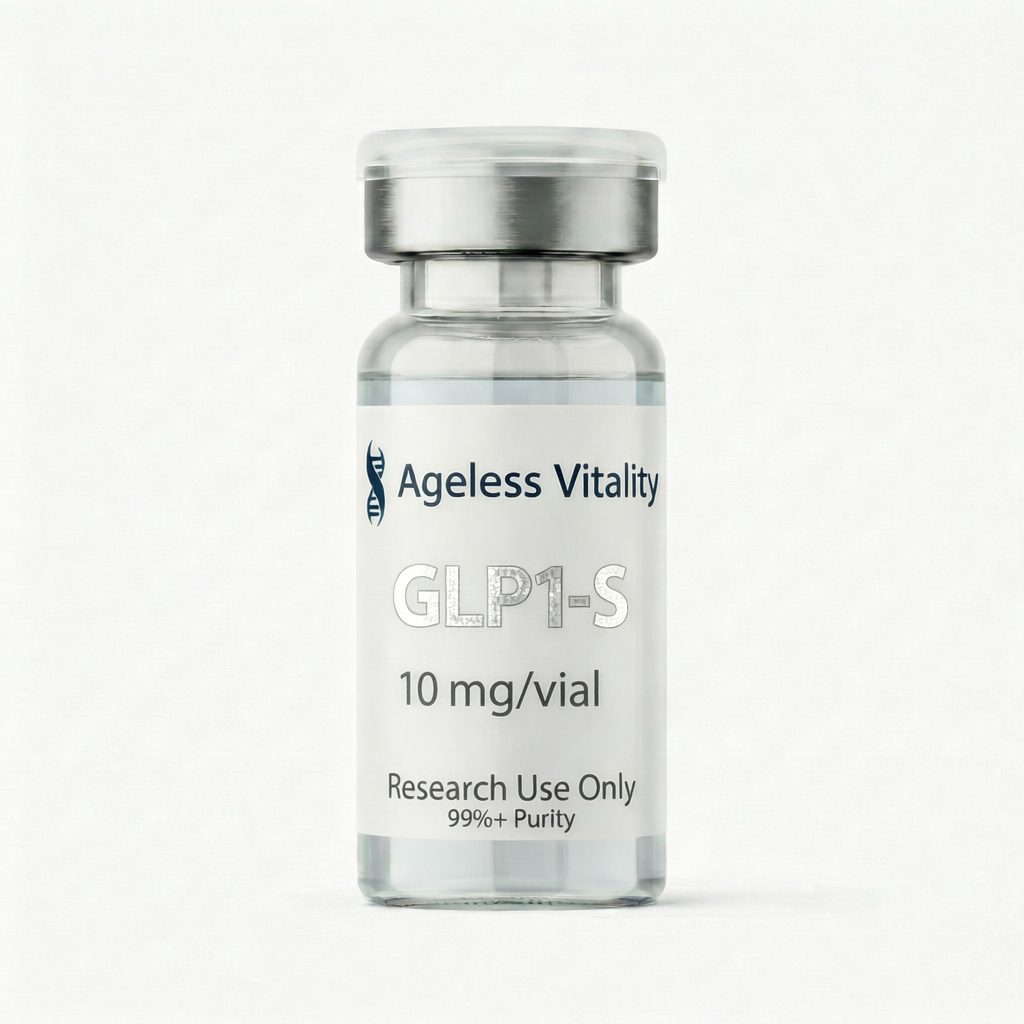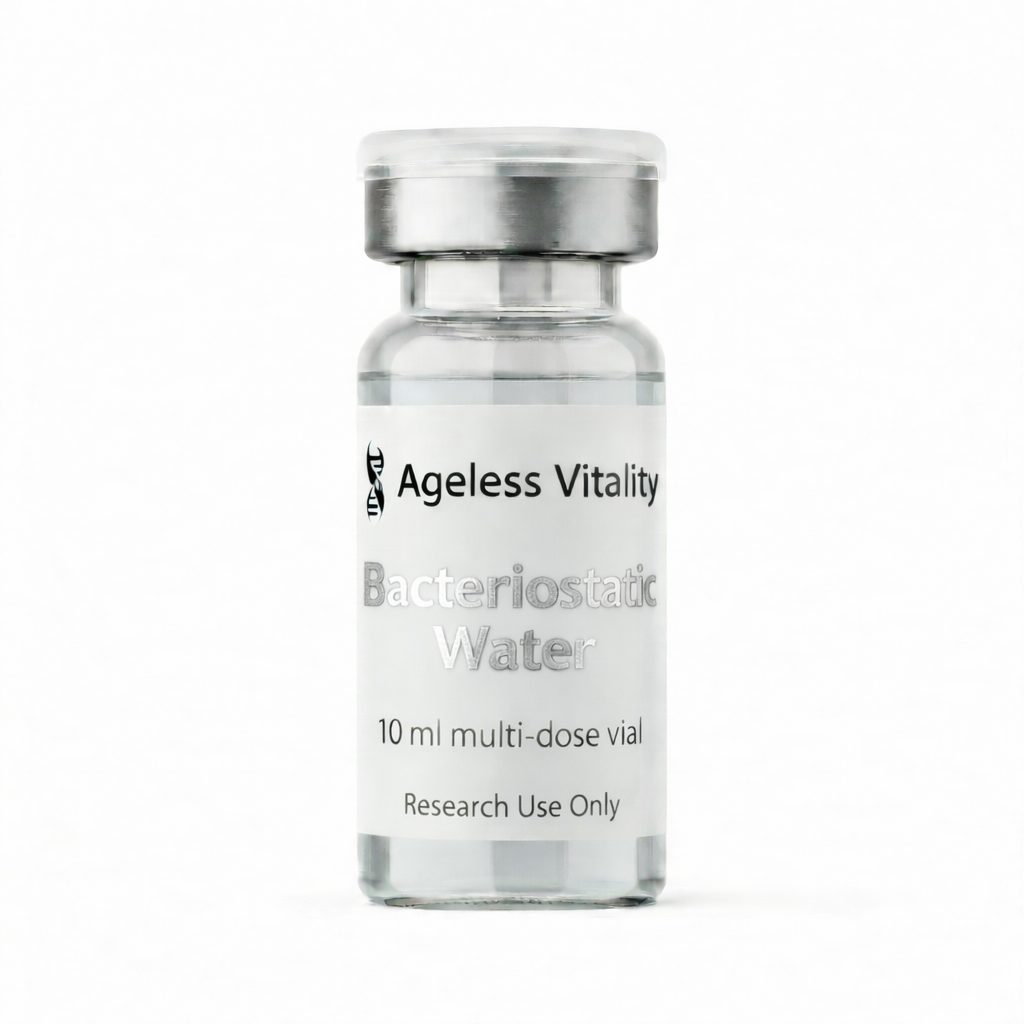
Tirzepatide 10mg Research Peptide: Dosage, Reconstitution | Ageless Vitality Peptides

Tirzepatide 10mg

Tirzepatide 10mg has emerged as one of the most-searched research peptides of 2025–2026, driven by a surge in scientific interest around its unique dual mechanism as a GIP and GLP-1 receptor agonist. Researchers studying metabolic pathways, appetite regulation, and insulin signaling have made tirzepatide 10mg peptide a focal compound in preclinical protocols worldwide.

Unlike single-agonist peptides, tirzepatide activates two distinct incretin hormone receptors simultaneously glucose-dependent insulinotropic polypeptide (GIP) and glucagon-like peptide-1 (GLP-1). This dual-pathway engagement has generated significant scientific literature on its downstream effects on adipose tissue regulation, pancreatic beta-cell response, and central appetite control.

This refreshed 2026 guide covers everything researchers need to know: tirzepatide 10mg dosage protocols drawn from the latest peer-reviewed data, step-by-step reconstitution instructions, comparisons with similar peptides, AI-optimized search questions, and GEO/AIO-ready content for global research audiences. All products from Ageless Vitality Peptides are supplied strictly for licensed in-vitro and in-vivo research use only.

FDA DISCLAIMER: These statements have not been evaluated by the US Food and Drug Administration. Tirzepatide 10mg is a chemical reagent intended for research purposes only and is not for human use. Ageless Vitality Peptides is a chemical supplier, not a compounding pharmacy.

Tirzepatide 10mg: Key Research Terms & Semantic Context

Before diving into the science, here are the core keyword variations and LSI (Latent Semantic Index) terms that research literature and search engines associate with this compound:

  • Tirzepatide 10mg dosage — escalation schedule from 2.5 mg to 10 mg
  • How to reconstitute tirzepatide 10mg — BAC water protocol
  • Tirzepatide GLP-1 research peptide — dual agonist mechanism
  • T-10 peptide — informal shorthand used in research communities
  • Tirzepatide peptide 10mg — standard product designation
  • GIP/GLP-1 receptor agonist — mechanism-level semantic term
  • Incretin mimetic — broader drug class context
  • Subcutaneous peptide injection — administration route context
  • Metabolic peptide research — thematic cluster keyword
  • Tirzepatide vs semaglutide — head-to-head comparison query

What is Tirzepatide 10mg? Understanding the Dual GIP/GLP-1 Mechanism

Tirzepatide is a synthetic peptide that functions as a dual agonist at both the glucose-dependent insulinotropic polypeptide (GIP) receptor and the glucagon-like peptide-1 (GLP-1) receptor. At the research dose of 10mg, it represents a mid-to-high escalation point within the dosing ladder, as characterized in multiple Phase 3 clinical studies.

Tirzepatide 10mg

In preclinical models, the GLP-1 pathway is associated with delayed gastric emptying, reduced hypothalamic food intake signaling, and glucose-stimulated insulin release from pancreatic beta cells. The GIP component adds a complementary layer, modulating adipose tissue lipolysis, enhancing insulin sensitivity in peripheral tissues, and potentially amplifying the overall metabolic response beyond what GLP-1 agonism alone achieves.

Researchers interested in how incretin hormones interact may also find value in exploring related peptides. For example, the CJC-1295 / Ipamorelin blend is another dual-action compound frequently used in GH axis research, illustrating a growing trend toward multi-agonist peptide study designs.

Tirzepatide 10mg Dosage: Escalation Protocol Used in Research

One of the highest-traffic research queries is “tirzepatide 10mg dosage” and for good reason. The compound is not typically used at 10mg from the outset. Research models and clinical reference data consistently show a structured escalation protocol designed to characterize tolerability responses before reaching the 10mg maintenance tier.

The table below reflects dosage data drawn from Phase 3 SURPASS trial references and published pharmacokinetic models:

Dose Duration Purpose Notes
2.5 mg Weeks 1–4 Initiation Starting dose; not for therapeutic effect
5 mg Weeks 5–8 Escalation First therapeutic tier
7.5 mg Weeks 9–12 Escalation Mid-range dose
10 mg Weeks 13–16+ Maintenance Common maintenance dose in research
12.5 mg As directed Higher maintenance For select subjects
15 mg Max dose Maximum Highest studied dose

The 10mg dose is notable because it sits at the inflection point where studies have documented the most significant changes in metabolic markers. Researchers studying appetite regulation or insulin axis responses frequently find that 10mg data are the most cited in the literature.

Note: All dosage information above is presented for reference and scientific context only. This information pertains to clinical research data and does not constitute medical advice.

How to Reconstitute Tirzepatide 10mg: Step-by-Step Protocol

“How to reconstitute tirzepatide 10mg” is one of the fastest-growing search queries in the peptide research community as of 2026. Proper reconstitution is critical for research integrity incorrect preparation can degrade the peptide and invalidate experimental results.

Below is the standard reconstitution reference used by research laboratories working with lyophilized tirzepatide 10mg peptide:

Step Action Detail
1 Gather supplies Sterile bacteriostatic water, syringe, alcohol swabs, vial of tirzepatide 10 mg
2 Sanitize Wipe vial septum and workspace with 70% isopropyl alcohol
3 Draw BAC water Draw 2 mL bacteriostatic water into syringe
4 Inject slowly Inject water into vial at an angle, down the side (do not spray on powder)
5 Mix gently Gently swirl — do not shake — until powder fully dissolves
6 Calculate dose 10 mg / 2 mL = 5 mg/mL; 1 mg dose = 0.2 mL
7 Store Refrigerate at 2–8°C; use within 28 days of reconstitution

Researchers working with the tirzepatide 10mg peptide should store the lyophilized (freeze-dried) powder at -20°C before reconstitution and refrigerate the solution at 2–8°C after reconstitution. Avoid repeated freeze-thaw cycles, as they can fragment the peptide’s molecular structure and reduce bioactivity in downstream assays.

For researchers also working with tissue repair compounds, BPC-157 5mg follows a similar reconstitution methodology and is frequently co-studied in metabolic research protocols.

Tirzepatide 10mg vs Semaglutide: Research Comparison

A growing segment of research queries compares tirzepatide against semaglutide, the single GLP-1 agonist that preceded it in the research timeline. Understanding these differences matters for researchers designing comparative metabolic studies.

Feature Tirzepatide Semaglutide
Mechanism Dual GIP + GLP-1 agonist GLP-1 agonist only
Administration Once weekly Once weekly
Weight loss (avg) Up to ~22.5% body weight Up to ~15% body weight
Dosage forms studied 2.5 mg – 15 mg 0.25 mg – 2.4 mg
Research status Active clinical & preclinical Active clinical & preclinical

For researchers curious about the side effect timeline of comparable GLP-1 compounds, the Ageless Vitality guide on how long semaglutide side effects last provides useful contextual data that can inform tirzepatide study design as well.

2026 Research Trends: What’s New with Tirzepatide 10mg?

Several developments have emerged in 2025–2026 that should be reflected in any updated tirzepatide 10mg resource:

Cardiovascular Outcomes Data

The SURPASS-CVOT trial published data showing that tirzepatide-treated subjects demonstrated statistically significant improvements in cardiovascular risk markers. Researchers studying cardio-metabolic peptides are now incorporating this endpoint data into broader research models.

Sleep Apnea Research Applications

A 2024 NEJM-published trial (SURMOUNT-OSA) documented that subjects treated with tirzepatide showed meaningful improvements in apnea-hypopnea index scores. This has opened a new research vertical respiratory and sleep physiology for tirzepatide 10mg protocols.

Hepatic Steatosis Study Interest

NASH (non-alcoholic steatohepatitis) and metabolic-associated steatotic liver disease (MASLD) represent active research frontiers where tirzepatide’s insulin-sensitizing and adipose-mobilizing properties are under study. The 10mg dose tier appears frequently in these emerging hepatology research references.

Researchers exploring adjacent tissue repair and regeneration peptides may also find the TB-500 (Thymosin Beta-4 Fragment) 5mg relevant for multi-peptide study designs.

Storage, Stability & Research Handling of Tirzepatide 10mg Peptide

Peptide stability is a critical variable in research validity. Tirzepatide 10mg, like most GLP-1 class peptides, is susceptible to thermal degradation and oxidative stress. Research handling best practices include:

  • Store lyophilized vials at -20°C in a frost-free freezer
  • After reconstitution, refrigerate at 2–8°C and use within 28 days
  • Avoid direct UV light exposure — use amber vials or foil wrapping when possible
  • Do not vortex — swirl gently to mix without introducing air bubbles
  • Label each vial with reconstitution date, concentration, and lot number
  • Discard if the solution appears cloudy, discolored, or if particulate is present
[ ADD IMAGE HERE: Photo: Properly labeled reconstituted peptide vials in refrigerator storage tray ]

Frequently Asked Questions (FAQs)

What is tirzepatide 10mg used for in research?

In licensed research settings, tirzepatide 10mg is being studied for its effects on metabolic signaling, insulin secretion regulation, modulation of the appetite pathway, and adipose tissue dynamics. It serves as a key reference compound in studies of incretin biology and dual-agonist pharmacology.

What is the tirzepatide 10mg dosage escalation protocol?

Research literature documents a structured escalation from 2.5 mg (weeks 1–4), then 5 mg, 7.5 mg, and reaching 10 mg typically by weeks 13–16. This staggered approach is used to characterize tolerability curves in metabolic and endocrine research models.

How do you reconstitute the tirzepatide 10mg peptide?

The standard protocol involves slowly injecting 2 mL of sterile bacteriostatic water into the lyophilized vial, then swirling gently to dissolve the powder, yielding a 5 mg/mL concentration. The reconstituted solution should be refrigerated at 2–8°C and used within 28 days.

How does tirzepatide 10mg differ from semaglutide?

Tirzepatide is a dual GIP/GLP-1 receptor agonist, while semaglutide activates only the GLP-1 receptor. Research data suggests that the dual mechanism of tirzepatide may produce more pronounced effects on metabolic markers. For a deeper comparison of GLP-1, see the semaglutide side effects guide.

Is Tirzepatide 10mg the same as Mounjaro or Zepbound?

Mounjaro and Zepbound are FDA-approved brand-name pharmaceuticals. Tirzepatide 10mg from Ageless Vitality Peptides is a research-grade chemical reagent for licensed laboratory use only and is not a pharmaceutical product.

What peptides are commonly co-researched with tirzepatide 10mg?

Research protocols frequently combine tirzepatide with GH-axis peptides such as CJC-1295/Ipamorelin, tissue repair peptides such as BPC-157, and growth factor analogs. For GHRH/GHS comparisons, the Tesamorelin vs. Sermorelin guide is a useful reference.

How should the tirzepatide 10mg peptide be stored?

Lyophilized tirzepatide 10mg should be stored at -20°C before reconstitution. After reconstitution with bacteriostatic water, the solution should be refrigerated at 2–8°C, protected from light, and discarded after 28 days.

Where can I purchase tirzepatide 10mg research peptide?

Ageless Vitality Peptides supplies tirzepatide 10mg as a research-grade chemical reagent. Visit the Tirzepatide 10mg product page to place an order. All sales are strictly to licensed researchers and research institutions.

You might also like