Best Fat Loss Peptides for: Complete 2026 Research Guide

Fat loss has become one of the most researched topics in modern wellness science, and peptides are at the center of this evolution. While peptides are not medical treatments, they have attracted growing research interest for their potential to support fat metabolism, appetite control, muscle preservation, and metabolic balance.
At Ageless Vitality Peptides, we offer high-purity research peptides trusted by wellness professionals, fitness researchers, and longevity-focused scientists across the USA. In this guide, we break down the best peptides for fat loss, how they work, and what makes them so valuable in performance and metabolic research.
What Are Fat-Loss Peptides?
Best Peptides for Fat Loss are short chains of amino acids that interact with specific cellular pathways involved in:
- Fat oxidation (burning stored fat)
- Energy regulation
- Growth hormone signaling
- Appetite regulation
- Metabolic rate
- Muscle preservation during calorie deficit
Most of these peptides act through the GH–IGF-1 asix, mitochondrial pathways, or metabolic hormone receptors making them a hot topic in weight-management research.
Best Peptides for Fat Loss in 2026
Below are the most researched and popular peptides for fat-loss studies in 2026.
1. AOD 9604 The Fat-Burning Fragment
AOD 9604 is a modified fragment of human growth hormone (HGH fragment 176-191) explicitly studied for fat reduction without GH-related effects.
Research Highlights
- Stimulates lipolysis (breakdown of stored fat)
- Reduces lipogenesis (prevents new fat accumulation)
- Does not raise glucose or IGF-1 levels
- Popular in weight-management research
Ideal Research Focus
- Obesity studies
- Localized fat breakdown
- Metabolic rate support
2. CJC-1295 + Ipamorelin Blend GH Support for Fat Loss & Recovery
One of the most popular blends, CJC-1295 + Ipamorelin, is studied for its ability to increase pulsatile growth hormone release, supporting:
- Fat metabolism
- Muscle protection
- Cellular repair
- Recovery
- Sleep quality (indirect metabolic benefits)
Why It’s Effective for Fat Loss Research
Growth hormone enhances fat oxidation, especially at night. Metabolic researchers widely use the CJC/IPA blend for its synergistic effect.
3. Semaglutide Appetite & Satiety Peptide
Semaglutide, a GLP-1 analog, is one of the most popular peptides in modern weight-loss research. It influences:
- Appetite suppression
- Slower gastric emptying
- Reduced cravings
- Improved insulin sensitivity
Research Insight
Studies show significant decreases in:
- Body weight
- Waist circumference
- Visceral fat
It is now among the most analyzed peptides in obesity research worldwide.
4. Tirzepatide Dual GLP-1 + GIP Research Peptide
Tirzepatide has created huge excitement due to its dual receptor mechanism. It acts on both:
- GLP-1 (appetite & insulin regulation)
- GIP (enhanced fat metabolism)
Fat Loss Research Benefits
- Enhanced metabolic flexibility
- Strong appetite control
- Rapid reduction of stored fat
- High interest in obesity and metabolic research fields
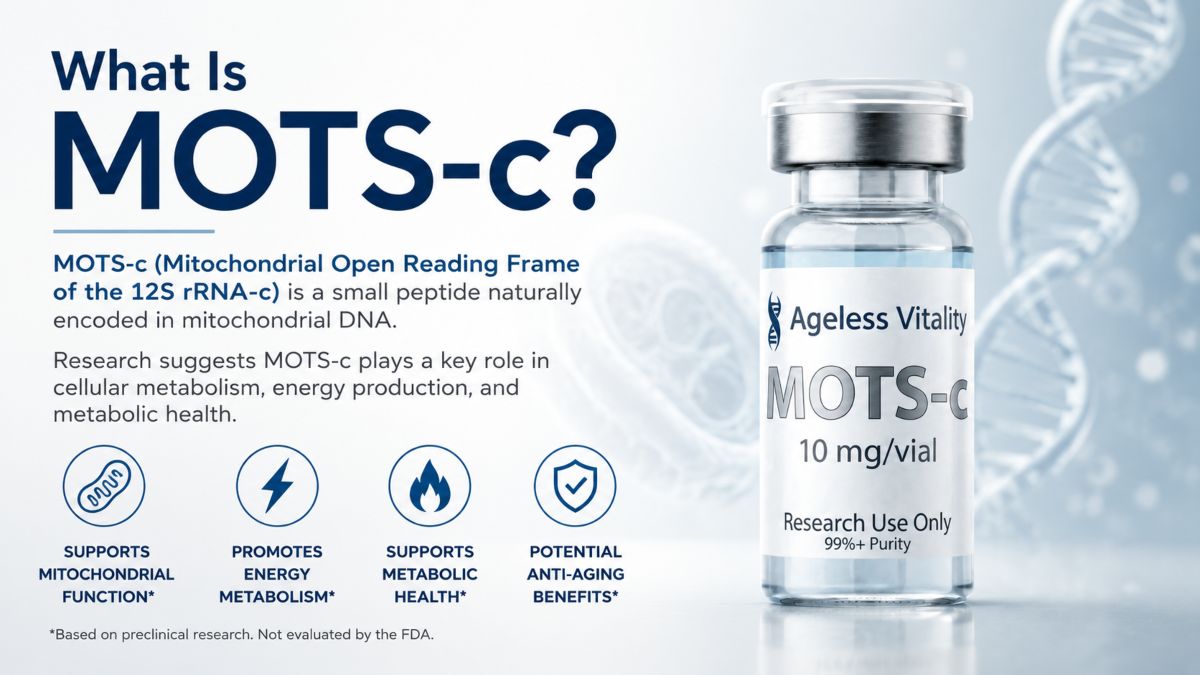
5. MOTS-c Mitochondrial Fat-Burning Peptide
MOTS-c is a mitochondrial peptide studied for its role in:
- Increasing fat oxidation
- Improving exercise performance
- Enhancing glucose utilization
- Supporting healthy body composition
Why It’s Popular
It targets cellular energy metabolism, making it a fascinating peptide for aging and metabolic studies.
6. 5-Amino-1MQ Fat Cell Size Reduction Research
This peptide is studied for its ability to reduce fat cell hypertrophy by inhibiting NNMT (nicotinamide N-methyltransferase), a metabolic enzyme linked to obesity.
Key Research Areas
- Boosting NAD+ levels
- Increasing energy expenditure
- Reducing fat cell size & storage
Researchers often pair it with AOD 9604 or MOTS-c in metabolic studies.
7. Tesamorelin Visceral Fat Research Peptide
Tesamorelin is a synthetic GHRH analog that has been widely researched for its ability to reduce visceral adipose tissue (VAT).
Research Applications
- Belly fat reduction studies
- Metabolic health
- GH-mediated fat oxidation pathways
It remains one of the most reliable peptides in VAT-related research.
Best Peptides for Fat Loss Stacks for Research
1. AOD 9604 + MOTS-c
Ideal for:
- Fat breakdown
- Energy metabolism
- Exercise performance
2. CJC-1295 + Ipamorelin + AOD 9604
For research focused on:
- GH-driven fat metabolism
- Recovery + fat loss synergy
3. Semaglutide + AOD 9604
Explored for:
- Appetite suppression
- Accelerated fat reduction
4. Tirzepatide + MOTS-c
For studies involving:
- Metabolic flexibility
- High-level fat oxidation
How Peptides Support Fat Loss Research
1. Increasing Growth Hormone Pulsatility
Many fat-loss peptides work by stimulating natural, pulsatile growth hormone (GH) release. GH plays a key role in metabolic research because it promotes lipolysis, the breakdown of stored triglycerides into usable fatty acids. When GH levels rise in controlled pulses, studies show increased fat oxidation, improved metabolic flexibility, and greater utilization of stored fat as energy during fasting and sleep cycles.
2. Improving Mitochondrial Function
Some peptides, such as MOTS-c, directly target the mitochondria, the “energy factories” of the cells. By enhancing mitochondrial efficiency and promoting healthier metabolic activity, these peptides help the body convert stored fat into ATP (energy) more effectively. This results in increased fat utilization, improved endurance, and better overall metabolic performance in research settings.
3. Regulating Appetite Pathways
GLP-1 and GIP agonist peptides like Semaglutide and Tirzepatide work on appetite-regulating centers in the brain. They influence satiety hormones, slow gastric emptying, and reduce cravings, which helps maintain consistent caloric balance. For researchers studying weight management, these peptides provide valuable insights into how appetite, energy intake, and metabolic signaling interact.
4. Preserving Lean Muscle
During fat-loss studies, maintaining muscle growth is essential because muscle tissue significantly influences metabolic rate. GH-related peptides such as CJC-1295 and Ipamorelin are widely studied for their ability to support lean muscle preservation while fat is being metabolized. Protecting muscle helps maintain higher energy expenditure, making fat-loss pathways more efficient in research.
5. Enhancing Insulin Sensitivity
Many fat-loss peptides have shown potential to regulate glucose metabolism and improve how cells respond to insulin. More useful insulin sensitivity means the body can utilize carbohydrates more efficiently, reduce fat storage, and maintain stable energy levels. Peptides that modulate insulin signaling pathways provide valuable insights into obesity, metabolic disorders, and the optimization of body composition.
Why Choose Ageless Vitality Peptides?
At Ageless Vitality Peptides, we focus on:
- High-purity research peptides
- COA-backed batches
- Fast, secure nationwide delivery
- Customer support for researchers
- USA-based sourcing & quality assurance
We provide peptides for educational and research purposes only not for human consumption.
Conclusion
Peptides continue to play a significant role in advancing research on Best Peptides for Fat Loss, metabolic health, and performance science. From AOD 9604 to Tirzepatide, each peptide offers unique mechanisms that help researchers better understand how the body regulates fat oxidation, appetite signaling, growth hormone pathways, visceral fat, and mitochondrial energy. No matter which metabolic area your study focuses on, there is a peptide specifically suited to support your research goals. As the field evolves, Ageless Vitality Peptides remains committed to providing high-quality, reliable research peptides to empower ongoing discoveries in metabolic and wellness science.
Frequently Asked Questions
What are the best peptides for fat loss research in 2026?
AOD-9604, Semaglutide, Tirzepatide, CJC-1295 + Ipamorelin, MOTS-c, and Tesamorelin remain the most studied peptides for fat metabolism.
Which peptide is best for appetite control research?
Semaglutide and Tirzepatide are the most researched for appetite and satiety signaling.
Which peptides target visceral fat?
Tesamorelin and AOD-9604 are widely studied for visceral adipose tissue reduction.
Do fat-loss peptides preserve muscle?
GH-related peptides like CJC-1295 and Ipamorelin are commonly researched for lean muscle preservation during fat loss.