CJC-1295 Ipamorelin: Complete Research Guide to Growth Hormone Peptides

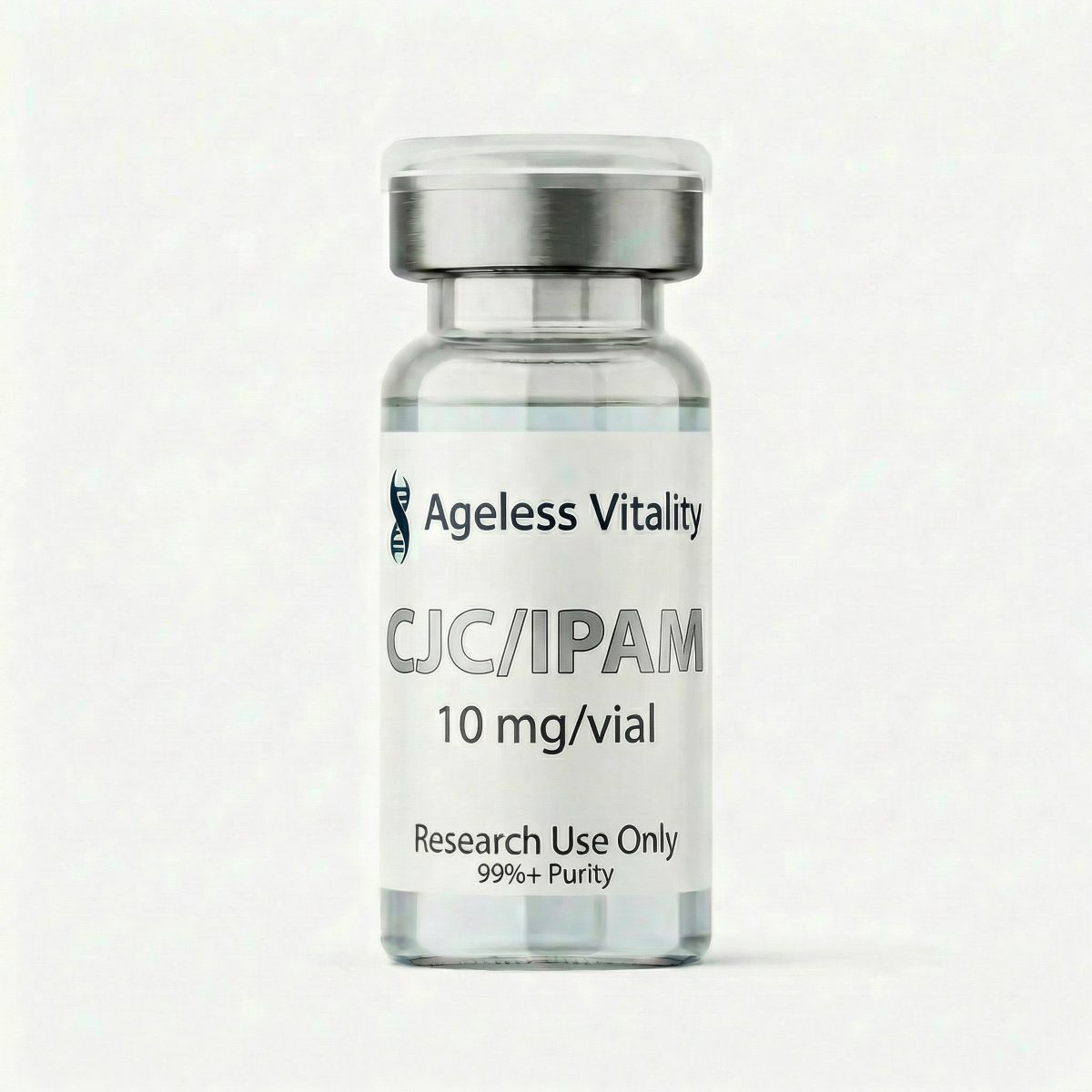
Peptide science has advanced rapidly over the past two decades, providing researchers with powerful tools to study hormone regulation, metabolic pathways, tissue regeneration, and anti-ageing mechanisms. Among the most studied growth hormone peptides are CJC-1295 Ipamorelin, often combined as a peptide stack in research exploring natural growth hormone (GH) release and peptide therapy.
Instead of directly introducing synthetic growth hormone, these peptides stimulate the endocrine system to naturally increase GH and IGF-1 levels, allowing scientists to investigate body composition changes, metabolic health, tissue repair, and hormone signalling in laboratory models.
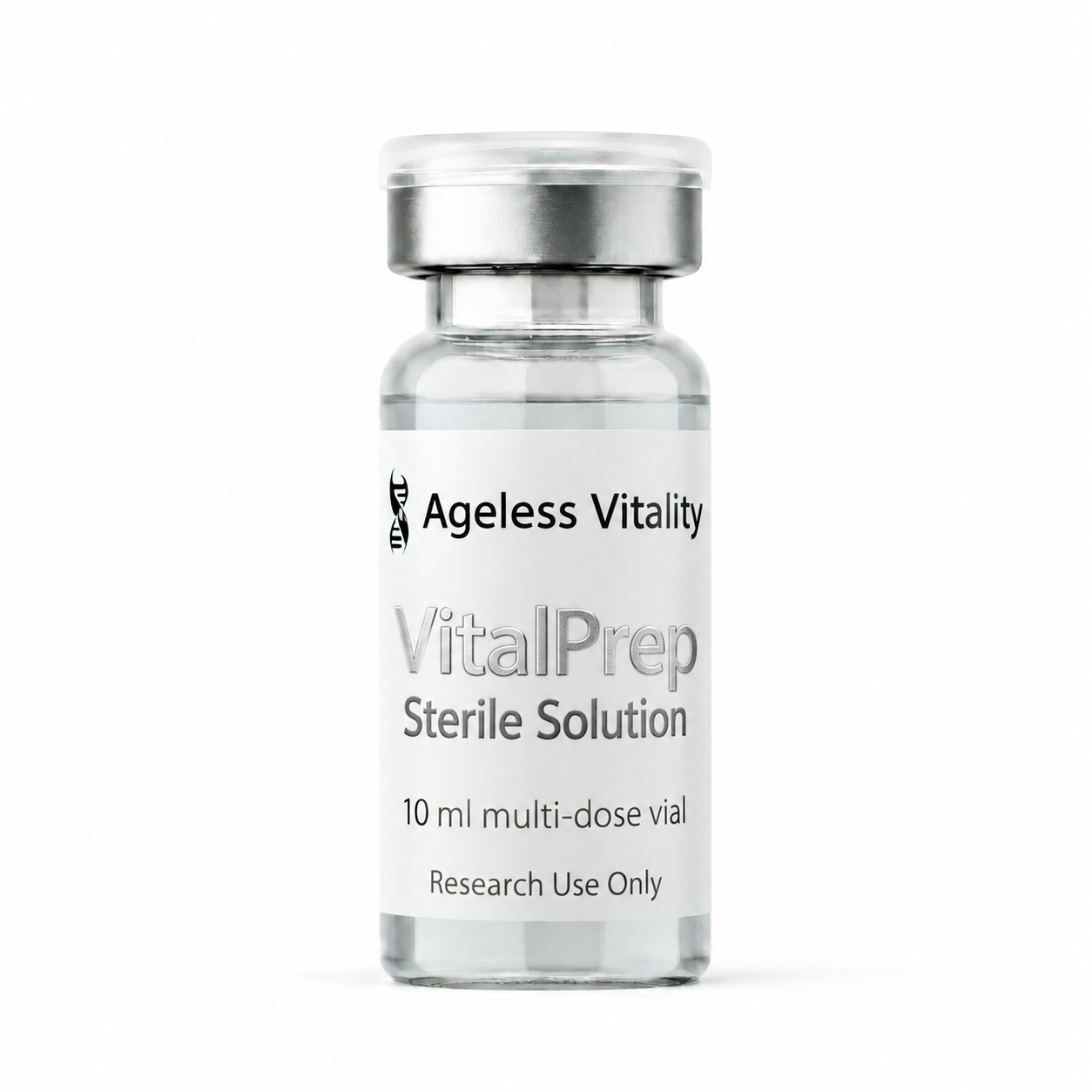
At Ageless Vitality Peptides, researchers can access high-purity research peptides designed to support advanced endocrine, regenerative, and metabolic research. This guide explores the science behind CJC-1295 Ipamorelin, their mechanisms of action, research applications, dosing considerations, and future trends in peptide research.
Understanding the Growth Hormone Axis
To understand how CJC-1295 Ipamorelin peptides work, it’s essential to examine the hypothalamic-pituitary axis, the primary regulator of growth hormone secretion. This endocrine system controls GH release, which, in turn, affects muscle growth, fat metabolism, tissue repair, bone density, and metabolic signalling.
Components of the Growth Hormone Axis
- Hypothalamus
- Releases growth hormone-releasing hormone (GHRH) to stimulate GH release.
- Produces somatostatin, which inhibits GH secretion and regulates pulsatile patterns.
- Influences prolactin and other hormone levels through feedback loops.
- Pituitary Gland
- Receives hypothalamic signals and releases GH into circulation.
- Secretion occurs in pulses, especially during deep sleep.
- GH bursts stimulate muscle protein synthesis, fat metabolism, and tissue repair.
- Liver & Peripheral Tissues
- GH promotes the production of insulin-like growth factor-1 (IGF-1) in the liver.
- IGF-1 supports:
- Muscle hypertrophy and repair
- Collagen synthesis and bone density
- Fat oxidation and energy metabolism
- Cellular regeneration in tissues
Understanding the growth hormone axis is essential for peptide therapy research, as it provides insight into how CJC-1295 and Ipamorelin affect metabolic and regenerative pathways.
What Is CJC-1295?
CJC-1295 is a synthetic growth hormone-releasing hormone (GHRH) analogue. Its primary research function is to stimulate the pituitary gland to increase baseline GH secretion and IGF-1 levels, mimicking the body’s natural hormonal patterns.
Key features:
- Increased baseline GH levels
- Extended circulating IGF-1 duration
- Supports muscle growth, tissue repair, fat metabolism, and body composition improvements
Unlike natural GHRH, CJC-1295 is modified to resist rapid degradation, increasing its half-life in the bloodstream. This makes it a valuable tool for pharmacokinetic studies and endocrine research.
CJC-1295 DAC vs Non-DAC
| Type | Half-Life | Research Applications |
|---|---|---|
| CJC-1295 with DAC | Long (approx. 6–8 days) | Sustained GH stimulation, increased IGF-1, body composition studies |
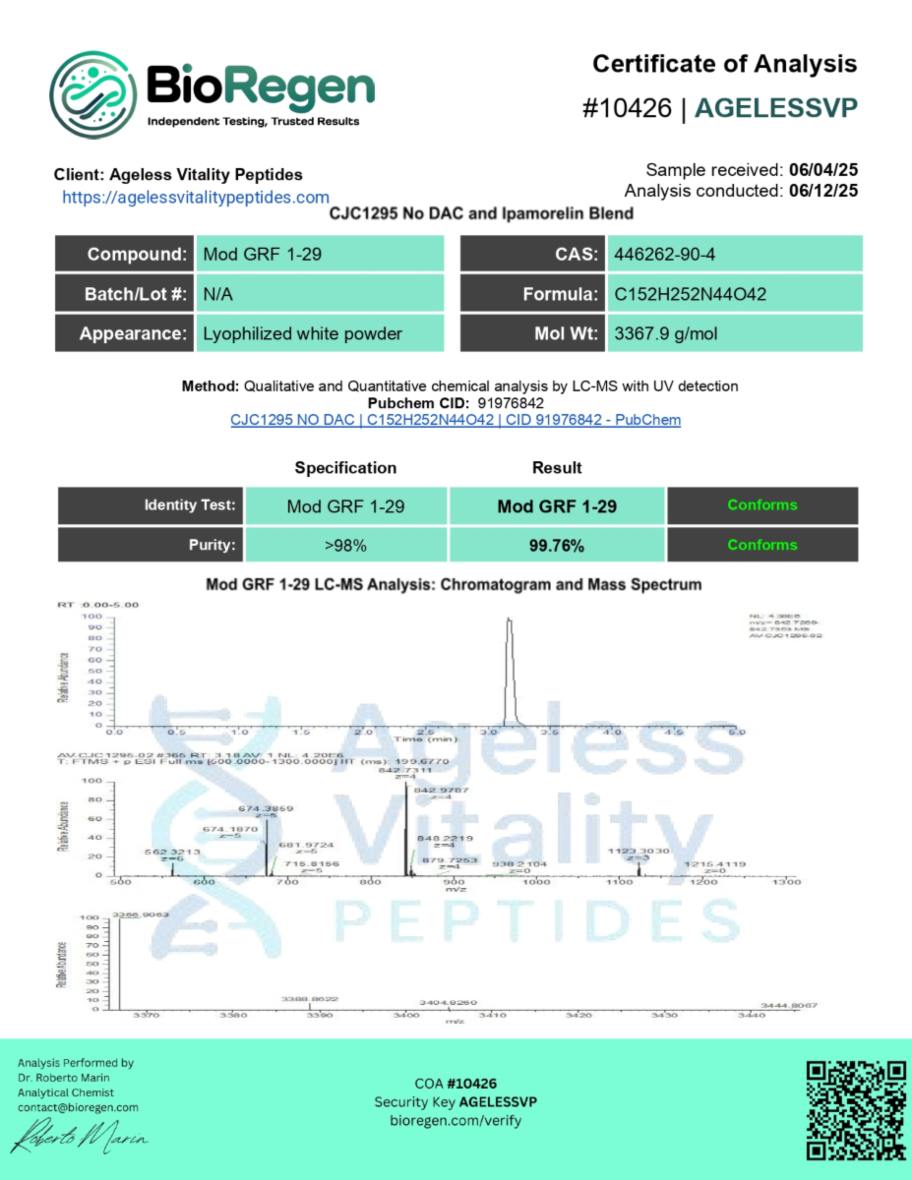
| CJC-1295 without DAC (GRF 1-29) | Short (approx. 30–60 minutes) | Pulsatile GH release research, peptide stack studies |
- DAC (Drug Affinity Complex) binds to albumin, extending GH release.
- Non-DAC allows precise studies of natural GH pulses and is often combined with Ipamorelin for synergistic effects.
What Is Ipamorelin?
Ipamorelin is a synthetic growth hormone secretagogin that works differently from CJC-1295. It attaches to the ghrelin receptor (GHS-R1a) in the pituitary, triggering pulsatile GH release without significantly affecting cortisol or prolactin levels.
Ipamorelin Mechanism of Action
- Activates GHS-R1a receptors in the pituitary gland
- Stimulates calcium signaling pathways
- Increases GH secretion in pulses
- Boosts IGF-1 signaling, enhancing tissue repair, metabolism, and body composition
- Minimal impact on stress hormones, making it ideal for precise GH research
Ipamorelin is commonly used in peptide therapy research, focusing on muscle growth, fat metabolism, and anti-ageing.
Why Combine CJC-1295 and Ipamorelin?
The CJC-1295 Ipamorelin peptide stack is widely studied because it activates two different GH pathways, producing a synergistic effect.
Dual Growth Hormone Pathways
| Peptide | Target Receptor | Function |
|---|---|---|
| CJC-1295 | GHRH receptor | Increases baseline GH production |
| Ipamorelin | Ghrelin receptor | Stimulates pulsatile GH release |
Benefits of the peptide stack in research:
- Enhanced GH signaling and IGF-1 production
- Study of body composition changes and metabolic pathways
- Research on muscle recovery, fat loss, and anti-ageing mechanisms
- Understanding receptor-specific hormone optimization
Research Applications of CJC-1295 Ipamorelin

Muscle Growth & Recovery
GH stimulates protein synthesis and tissue repair, making it vital for muscle recovery research. Scientists use this peptide stack to study:
- Muscle recovery peptides
- Exercise-induced tissue repair
- Anabolic signaling pathways
- Lean mass development and body composition changes
Fat Metabolism & Body Composition
GH influences lipid metabolism and fat oxidation. Studies investigate:
- Fat metabolism peptides
- Energy utilization
- Reduction of body fat and improved body composition
Anti-Ageing & Hormonal Research
GH production naturally declines with age, contributing to:
- Reduced muscle mass
- Slower tissue repair
- Metabolic inefficiency
Researchers explore CJC-1295 Ipamorelin peptides to better understand hormonal ageing, regenerative processes, and natural hormone optimization.
Bone & Connective Tissue Health
GH affects collagen production, bone density, and connective tissue repair, which are critical for:
- Skeletal health
- Tissue regeneration
- Anti-ageing research
- Regenerative medicine studies
Sleep & Circadian Rhythm Research
GH release is closely linked to deep sleep cycles. Studies analyze:
- Sleep quality improvement
- Recovery mechanisms
- Hormonal regulation of circadian rhythms
Peptide Dose and Injection Research
Laboratory studies often use subcutaneous peptide injections to investigate:
- Dose-dependent GH response
- Pulsatile GH secretion
- Peptide stack synergy
- Body composition and tissue repair outcomes
Optimal research results require consideration of peptide stability, half-life, and timing to match natural GH pulpability.
Choosing High-Quality Research Peptides
Reliable results depend on high-purity peptides. Researchers should consider:
- Verified peptide sequences
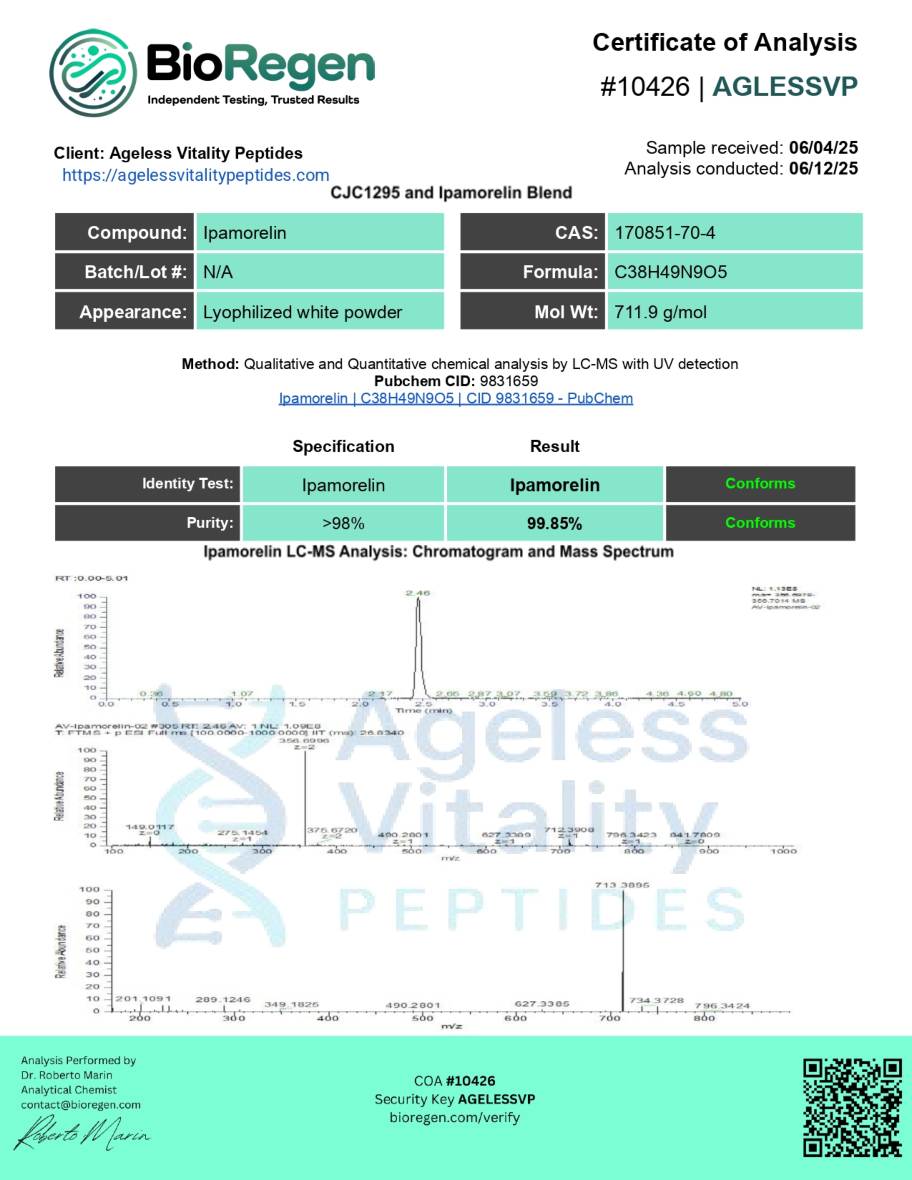
- Rigorous purity standards (≥98%)
- Stability and shelf-life
- Independent quality testing
At Ageless Vitality Peptides, all compounds meet strict standards, ensuring accuracy, reproducibility, and safety in research.
Explore the full catalogue: Ageless Vitality Peptides
The Future of Growth Hormone Peptide Research
Research in GH peptides continues to evolve with a focus on:
- Next-generation growth hormone secretagogues
- Receptor-specific peptide analogues
- Longer-acting peptide formulations
- Regenerative medicine and anti-ageing applications
CJC-1295 and Ipamorelin remain key tools in endocrine research, metabolic studies, and peptide therapy investigations.
Frequently Asked Questions (FAQs)
What is CJC-1295 Ipamorelin?
CJC-1295 and Ipamorelin are synthetic growth hormone peptides that stimulate natural GH release. CJC-1295 mimics GHRH, while Ipamorelin activates the ghrelin receptor to boost GH and IGF-1 signaling.
How do CJC-1295 and Ipamorelin work together?
CJC-1295 increases baseline GH, while Ipamorelin triggers pulsatile GH release. Together, they enhance GH signaling.
Difference between DAC and non-DAC CJC-1295?
DAC binds albumin, prolonging its half-life and GH-enhancing stimulation. Non-DAC allows study of pulsatile GH release.
Are these peptides approved for human use?
No, they are research peptides for laboratory studies only.
Why is peptide purity important?
High-purity peptides ensure accurate, reproducible research by avoiding interference with hormone signaling or metabolic studies.