BPC 157 and TB 500: Science-Backed Research Guide
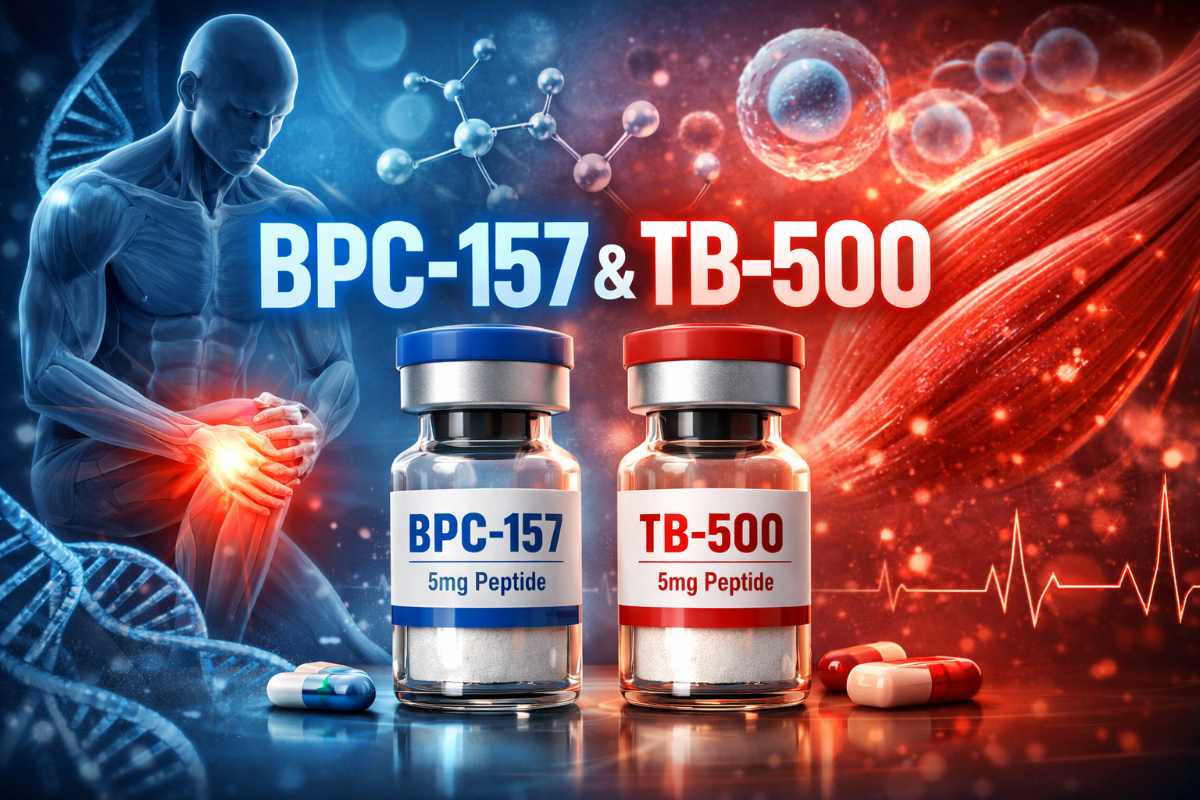
Table of Contents
- Introduction: Why BPC 157 and TB 500 Matter in Peptide Research
- What Is BPC 157? Science, Structure & Mechanism
- What Is TB 500? Thymosin Beta-4 & Its Research Profile
- BPC 157 vs TB 500: Side-by-Side Comparison
- The Synergy: BPC 157 + TB 500 Blend in Research
- Research Protocols & Dosing Insights
- Related Peptides in the Research Landscape
- Sourcing High-Purity Research Peptides
- Frequently Asked Questions (FAQs)
Why BPC 157 and TB 500 Matter in Peptide Research
The landscape of regenerative peptide research has expanded dramatically over the last two decades. Among the dozens of compounds studied in pre-clinical and early research settings, two names consistently rise to the top of scientific literature and researcher discussions: BPC 157 (Body Protection Compound 157) and TB 500 (Thymosin Beta-4 Fragment). These two bioactive peptides are arguably the most investigated tissue-repair compounds available for in vitro and in vivo research today.
Whether you’re a laboratory researcher exploring connective tissue biology, a sports scientist studying musculoskeletal recovery models, or a biochemist investigating angiogenesis pathways, BPC 157 and TB 500 offer rich areas of inquiry. Their complementary mechanisms one acting primarily through growth factor upregulation and GI-cytoprotection, the other through actin polymerization and systemic cell migration make them uniquely interesting both individually and as a combined research subject.

This comprehensive guide unpacks the science behind both peptides, examines their key differences and synergistic research potential, reviews dosing frameworks used in published studies, and points researchers toward trusted sources of high-purity, research-grade peptides. All content is provided for educational and research purposes only.
Facts: BPC 157 & TB 500 Research Snapshot
- 15 Amino acids in BPC 157 (pentadecapeptide)
- 43 Amino acids in TB 500 (Thymosin Beta-4)
- 500+ Published pre-clinical studies on BPC 157
- 1960s Decade thymosin proteins were first isolated
- 2 Primary research delivery routes (subcutaneous & intramuscular)
- 10mg Standard vial size for BPC 157 + TB 500 blend
What Is BPC 157? Science, Structure & Mechanism
BPC 157, formally known as pentadecapeptide BPC 157, is a synthetic, partial sequence of Body Protection Compound a protein originally isolated from human gastric juice. The peptide is composed of a chain of 15 amino acids (Gly-Glu-Pro-Pro-Pro-Gly-Lys-Pro-Ala-Asp-Asp-Ala-Gly-Leu-Val). It is notable for its remarkable stability compared to many other endogenous peptides.
How BPC 157 Works: Mechanisms in Research Models
Research into BPC 157 healing peptide activity reveals a multi-pathway mechanism that sets it apart from single-target compounds. In pre-clinical models, BPC 157 has been observed to:
- Upregulate vascular endothelial growth factor (VEGF), promoting new blood vessel formation in damaged tissue
- Modulate nitric oxide (NO) synthesis pathways, influencing vascular tone and healing cascades
- Interact with the growth hormone receptor system, potentially amplifying downstream tissue repair signaling
- Demonstrate cytoprotective effects along the gastrointestinal tract its native “home territory” as a gastric peptide
- Exhibit apparent neuroprotective properties in rodent models of CNS injury
BPC 157 stability in gastric acid unusual for peptides has made it a focus of GI mucosal repair research. Studies have explored its potential in models of ulceration, inflammatory bowel disease analogues, and intestinal fistulas.
Researchers studying musculoskeletal biology have been particularly interested in the BPC 157 5mg peptide for its apparent effects on tendon-to-bone healing, ligament repair models, and muscle crush injuries in rodent subjects. The compound appears to accelerate cellular migration into wound sites and enhance collagen synthesis both critical elements of tissue remodeling.

BPC 157 in the Context of GI Research
One of the most documented areas of BPC 157 research involves its gastrointestinal cytoprotective effects. Multiple rodent studies have demonstrated that BPC 157 administration both locally and systemically reduces markers of gastric damage, accelerates mucosal healing in ulcer models, and appears to counteract the damage caused by NSAIDs and corticosteroids. For researchers studying gut-repair peptides and enterocolitis models, BPC 157 remains one of the most referenced compounds in the literature.
Researchers exploring broader peptide therapy frameworks often pair their BPC 157 investigations with IGF-1 LR3 research, given overlapping interests in growth factor modulation and anabolic tissue signaling pathways.
| BPC 157 Research Property | Observed In | Research Notes |
|---|---|---|
| VEGF Upregulation | Rodent tendon & muscle models | Promotes angiogenesis in injured tissue |
| GI Cytoprotection | Gastric ulcer models, colitis models | Native gastric peptide — highest documented efficacy |
| Tendon-Bone Healing | Rat Achilles tendon studies | Accelerated collagen remodeling observed |
| NO Pathway Modulation | Vascular & CNS models | Dose-dependent effects in vasodilation models |
| Neuroprotection | TBI and spinal cord models | Early-stage; mechanism not fully elucidated |
| Anti-inflammatory Signaling | Peritonitis & fistula models | Reduction of pro-inflammatory cytokine markers |
What Is TB 500? Thymosin Beta-4 & Its Research Profile
TB 500, commonly sold as the Thymosin Beta-4 fragment, is a synthetic analogue derived from the naturally occurring protein Thymosin Beta-4 (Tβ4) a 43-amino-acid protein found in virtually all human and animal cells. The research-grade version, TB 500 Thymosin Beta-4 Fragment 5mg, isolates the active tetrapeptide sequence Ac-SDKP (N-acetyl-seryl-aspartyl-lysyl-proline), which is believed to be responsible for much of Tβ4’s biological activity.
Mechanism of Action: Actin Binding & Cell Migration
The defining characteristic of TB 500 in research contexts is its actin-sequestering activity. G-actin (globular actin) is the monomeric form of actin required for cell movement and tissue repair. TB 500 binds to G-actin, preventing its polymerization into F-actin (filamentous actin) and thereby maintaining a pool of free actin available for cellular motility and migration a process critical to wound healing and regeneration.
TB 500 (Thymosin Beta-4) is one of the most abundant intracellular peptides in mammalian cells and plays a fundamental role in cytoskeletal organization. Its near-ubiquitous cellular presence makes it a uniquely systemic research subject.
Beyond actin binding, TB 500 research has documented roles in:
- Angiogenesis — promoting blood vessel growth through endothelial cell migration
- Anti-inflammatory modulation — reducing pro-inflammatory cytokines in wound environments
- Cardiac tissue repair — a significant area of Tβ4 research, particularly in post-ischemia models
- Stem cell activation — potential to mobilize progenitor cells toward injured sites
- Neuronal repair — observed neuroprotective effects in spinal and brain injury models

Researchers interested in the cardiac and systemic repair dimensions of TB 500 often cross-reference their findings with work on growth hormone-releasing peptides like Tesamorelin and Sermorelin, given shared downstream interest in tissue anabolism and metabolic regulation.
| TB 500 Research Area | Model Type | Key Observation |
|---|---|---|
| Actin Sequestration | In vitro cell motility | Maintains G-actin pool; enhances cell migration speed |
| Angiogenesis | Wound healing models | Endothelial cell migration & vascular tube formation |
| Cardiac Repair | Myocardial infarction (rodent) | Cardiomyocyte survival; reduced scar tissue |
| Musculoskeletal Repair | Tendon, ligament, muscle models | Faster cellular infiltration at injury site |
| Anti-inflammation | Various tissue injury models | Downregulation of TNF-α and IL-1β markers |
| Neural Repair | Spinal cord, TBI models | Neuronal survival and axon regeneration signals |
BPC 157 vs TB 500: Side-by-Side Research Comparison
Understanding the differences between BPC 157 and TB 500 is essential for designing focused research protocols. While both peptides are frequently discussed together and are even available as a BPC 157 + TB 500 blend their mechanisms, primary research areas, and structural profiles are meaningfully distinct.
| Feature | BPC 157 | TB 500 |
|---|---|---|
| Full Name | Body Protection Compound 157 | Thymosin Beta-4 Fragment |
| Amino Acid Length | 15 (pentadecapeptide) | 43 (full Tβ4); active fragment ~4 |
| Primary Origin | Human gastric juice | Thymus gland (mammalian) |
| Core Mechanism | VEGF upregulation, NO modulation, GH receptor interaction | G-actin sequestration, cell migration facilitation |
| Top Research Area | GI repair, tendon/ligament healing | Cardiac, musculoskeletal, systemic wound healing |
| Systemic vs Local | Both local and systemic effects observed | Strongly systemic — acts throughout the body |
| Stability | High — stable in gastric acid | Moderate — typical peptide stability |
| GI Research | ✔ Extensively studied | ✘ Minimal GI-specific research |
| Cardiac Research | ✘ Limited cardiac focus | ✔ Significant cardiac repair data |
| Neural Repair | ✔ Observed in multiple models | ✔ Observed in multiple models |
| Research Delivery Route | SubQ, IM, oral (in GI studies) | SubQ, IM |
| Standard Research Vial | 5mg | 5mg |
The Synergy: BPC 157 + TB 500 Blend in Research
The scientific rationale for combining BPC 157 and TB 500 within a single research protocol is compelling. The two peptides operate through largely complementary rather than overlapping mechanisms, which suggests a potentially additive or even synergistic effect in tissue repair models.
Why Researchers Combine BPC 157 and TB 500
Think of it this way: BPC 157 initiates and amplifies healing signaling at the vascular and molecular level it “calls in” the repair crew by upregulating growth factors and protecting the local tissue environment. TB 500 then facilitates cellular mechanics, promoting the migration of repair cells (endothelial cells, fibroblasts, myocytes) to the injury site via actin dynamics. Together, they may address both the signaling and structural phases of tissue repair simultaneously.
Studies examining combined peptide therapy in rodent tendon, muscle, and joint models have noted that the co-administration of BPC 157 and TB 500 produced outcomes suggesting greater repair than either compound alone though human clinical data remains absent and all findings are preclinical.
For researchers who wish to explore both compounds without managing two separate reconstitutions, the BPC 157 5mg + TB 500 5mg Blend (10mg) offers a convenient combined vial at equal 1:1 ratios the most commonly referenced ratio in published blend studies.

Published Literature on Combined Peptide Protocols
While dedicated head-to-head or combination human clinical trials are not yet available, a growing body of pre-clinical rodent research supports the mechanistic basis for studying these peptides together. Key findings in published literature include accelerated histological markers of healing in combined vs. single-peptide groups, reduced post-injury inflammatory cell infiltration, and improved functional recovery scores in mobility-based animal tests.
Researchers investigating growth hormone secretagogues alongside these repair peptides may find comparative value in reviewing our CJC-1295 Ipamorelin research guide, which covers another synergistic peptide pairing studied extensively in metabolic and anabolic research contexts.
Research Protocols & Dosing Insights
Dosing parameters reported in the preclinical literature vary by species, injury model, administration route, and research objective. The following information is drawn exclusively from published animal research and is presented for educational purposes relating to research methodology only. These are not clinical dosing recommendations for human use.
| Parameter | BPC 157 (Rodent Studies) | TB 500 (Rodent Studies) |
|---|---|---|
| Typical Research Dose | 1–10 µg/kg body weight | 2–4 mg per kg body weight (variable) |
| Common Administration | Subcutaneous (SubQ), Intramuscular (IM), Intraperitoneal (IP), Oral | Subcutaneous (SubQ), Intramuscular (IM) |
| Study Duration Range | 7–28 days in most healing models | 14–42 days in most models |
| Frequency | Once daily most common | Twice weekly in some cardiac models; daily in others |
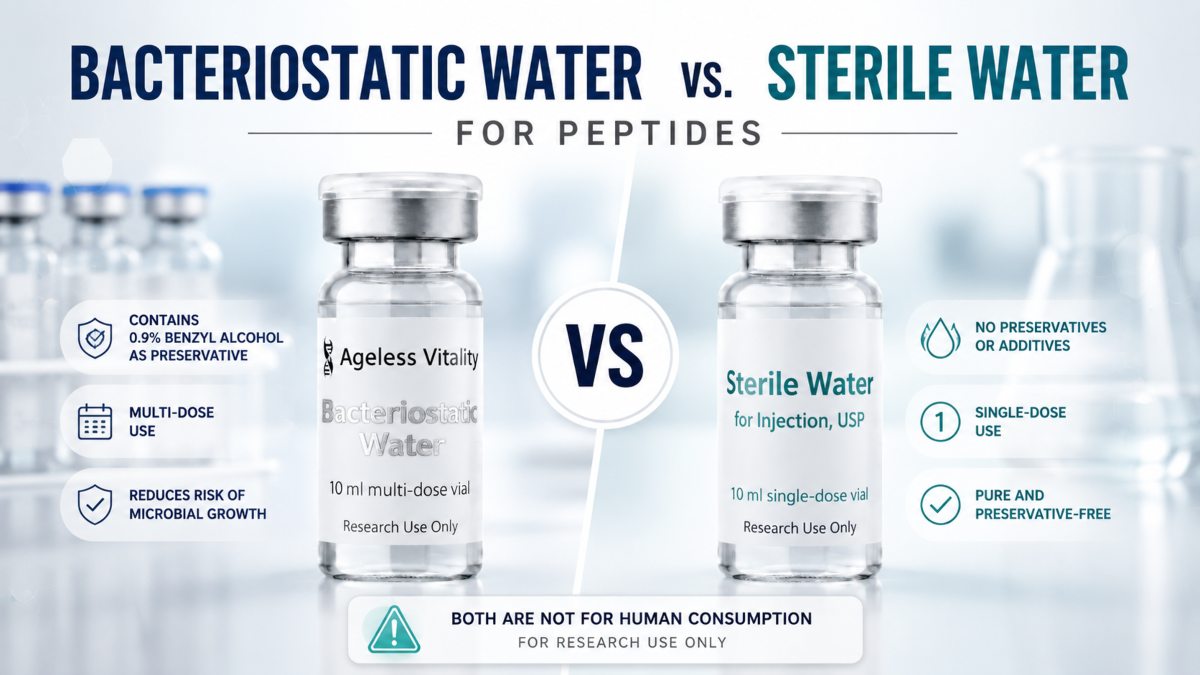
| Reconstitution Solvent | Bacteriostatic water or sterile saline | Bacteriostatic water or sterile saline |
| Storage (Lyophilized) | −20°C; stable for 12–24 months | −20°C; stable for 12–24 months |
Reconstitution & Handling in Research Settings
Both BPC 157 and TB 500 are supplied in lyophilized (freeze-dried) powder form for research purposes. Standard laboratory procedure involves reconstituting the peptide with bacteriostatic water or sterile 0.9% saline, using aseptic technique throughout. Reconstituted solutions should be refrigerated (2–8°C) and used within a defined window per laboratory SOPs.
Peptide purity directly impacts the validity of research outcomes. Always source research peptides from suppliers who provide Certificate of Analysis (CoA) documentation and third-party HPLC testing. Ageless Vitality Peptides provides verified purity documentation for all research-grade compounds.
Researchers who have encountered questions about timing, metabolic interactions, or the persistence of peptide effects in research models may find useful parallel context in our article on how long peptide-related effects last in GLP-1 receptor agonist research.
Related Peptides in the Research Landscape
BPC 157 and TB 500 don’t exist in isolation. The broader peptide research ecosystem includes several other compounds frequently studied alongside them each targeting different nodes of the regeneration and metabolic signaling network.
| Peptide | Primary Research Category | Relationship to BPC 157 / TB 500 | Research Resource |
|---|---|---|---|
| IGF-1 LR3 | Growth factor, muscle hypertrophy models | Downstream GH axis; complements VEGF-driven repair | IGF-1 LR3 Research Guide |
| CJC-1295 + Ipamorelin | GH secretagogue blend | GH-axis activation; may amplify anabolic repair signaling | CJC-1295 Ipamorelin Guide |
| Tesamorelin | GHRH analogue; metabolic & body composition | Metabolic partner peptide for combined repair/metabolic studies | Tesamorelin vs Sermorelin |
| Sermorelin | GHRH analogue; GH pulse studies | Often studied with BPC 157 in anti-aging research protocols | Tesamorelin vs Sermorelin |
Understanding how these peptides fit together helps researchers design multi-peptide research protocols that investigate the interplay between tissue repair signaling (BPC 157, TB 500), growth hormone axis activation (CJC-1295, Ipamorelin, Sermorelin, Tesamorelin), and downstream growth factor cascades (IGF-1 LR3). This systems-level approach is increasingly common in modern regenerative biology research.
Sourcing High-Purity Research Peptides
The single most critical variable in peptide research beyond experimental design is peptide purity and quality. Impure or incorrectly synthesized peptides produce unreliable data, invalidate results, and can compromise the integrity of an entire research program. This is why sourcing matters enormously.
What to Look for in a Research Peptide Supplier
When evaluating suppliers for BPC 157, TB 500, or any research-grade peptide, researchers should verify the following quality benchmarks:
- HPLC Purity Certificate: High-Performance Liquid Chromatography testing confirming ≥98% purity is the industry standard for research-grade peptides
- Mass Spectrometry (MS) Verification: Confirms correct molecular weight and sequence integrity
- Third-Party Testing: Certificates of Analysis from independent labs carry more weight than in-house testing alone
- Lyophilization Quality: Properly freeze-dried peptides maintain stability and accurate dosing precision
- Clear Research-Only Labeling: Reputable suppliers clearly identify products as for research use only not for human consumption

Ageless Vitality Peptides is a chemical supplier offering research-grade compounds for laboratory and investigative research purposes. All products are provided with documentation supporting quality and purity standards.
Frequently Asked Questions (FAQs)
For research and educational reference only. All answers reflect pre-clinical research contexts.
What is BPC 157, and what is it used for in research?
BPC 157 (Body Protection Compound 157) is a synthetic pentadecapeptide derived from a protein found in human gastric juice. In pre-clinical research, it is primarily studied for its effects on gastrointestinal healing, tendon and ligament repair, vascular growth (angiogenesis), and potential neuroprotective properties. It is available as a research-grade 5mg peptide for laboratory use.
What is TB 500 (Thymosin Beta-4) and how does it differ from BPC 157?
TB 500 is a synthetic fragment of Thymosin Beta-4, a protein involved in actin regulation and cell migration. Unlike BPC 157, which primarily works through growth factor signaling pathways, TB 500 operates by binding G-actin to facilitate cellular motility particularly relevant in wound healing, cardiac repair, and musculoskeletal injury models. The two peptides use complementary rather than identical mechanisms. Learn more at the TB 500 product page.
Can BPC 157 and TB 500 be studied together?
Yes, combining BPC 157 and TB 500 in research protocols is well documented in the preclinical literature. Their complementary mechanisms (signaling amplification via BPC 157 + cell migration facilitation via TB 500) provide a scientific rationale for combined investigation. A pre-blended 10mg vial (5mg each) is available for researchers preferring a single combined solution.
What purity level should research-grade BPC 157 and TB 500 have?
Research-grade peptides should have a purity of ≥98%, as verified by HPLC analysis. Mass spectrometry confirmation of the correct molecular weight is also important. Always request a Certificate of Analysis (CoA) from your supplier before use in any research protocol.
Are BPC 157 and TB 500 FDA-approved for human use?
No. Neither BPC 157 nor TB 500 is approved by the FDA for human use or for diagnosing, treating, curing, or preventing any disease. They are available solely as research chemicals intended for laboratory research purposes. Ageless Vitality Peptides is a chemical supplier, not a compounding pharmacy, and all products are sold for research use only.
How are BPC 157 and TB 500 administered in research models?
In published pre-clinical studies, both peptides are most commonly administered via subcutaneous (SubQ) or intramuscular (IM) injection. BPC 157 has also been studied via oral and intraperitoneal routes, particularly in GI repair models. Specific dosing parameters vary significantly between studies and animal models researchers should reference the primary literature for protocol design.
What other peptides are related to BPC 157 and TB 500 research?
Researchers often study BPC 157 and TB 500 alongside growth hormone secretagogues such as CJC-1295 and Ipamorelin, growth hormone-releasing hormone analogues like Tesamorelin and Sermorelin, and IGF-1 pathway compounds like IGF-1 LR3 each offering complementary insights into anabolic, regenerative, and metabolic signaling.
How should research peptides be stored?
Lyophilized (freeze-dried) BPC 157 and TB 500 should be stored at −20°C for long-term preservation, where they typically remain stable for 12–24 months. Once reconstituted with bacteriostatic water or sterile saline, solutions should be stored at 2–8°C and used within the timeframe specified by laboratory standard operating procedures typically within 30 days.