Top 10 Best Peptides in 2026: The Complete Guide to Health, Fitness, and Anti-Aging

Peptides are taking the health and longevity world by storm in 2026. From repairing injuries and stimulating collagen production to enhancing metabolism and even slowing the signs of aging, these small amino-acid chains have attracted significant attention from athletes, biohackers, and anti-aging enthusiasts alike.
But with so many options available, it can be hard to know which peptides are genuinely worth your attention. This comprehensive guide ranks the top 10 best peptides in 2026 based on research, popularity, and real-world effectiveness, plus everything you need to know about safety, sourcing, and science.
What Are Peptides and Why Are They So Popular?
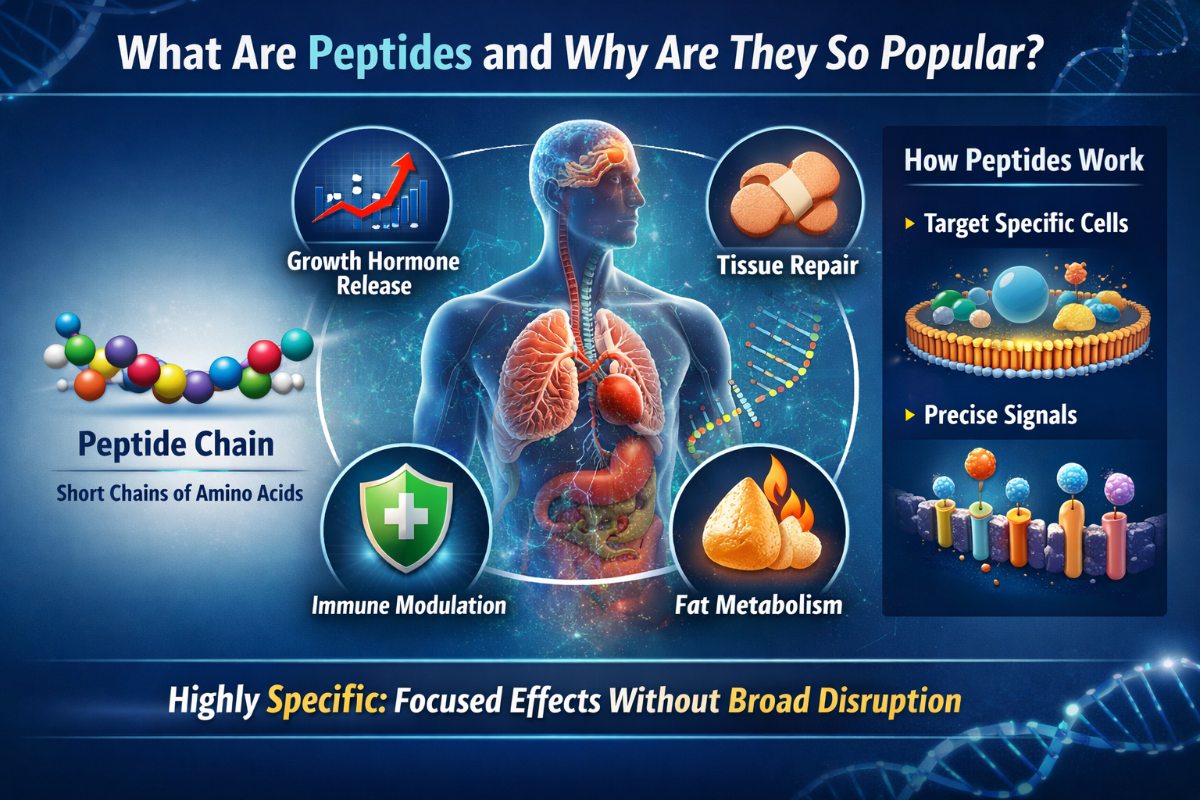
Peptides are short chains of amino acids, the same building blocks that form proteins, linked by peptide bonds. While proteins are large, complex structures that perform structural and enzymatic roles, peptides typically function as biological messengers precise signaling molecules that instruct specific cells to perform specific tasks.
The human body naturally produces thousands of peptides. They regulate growth hormone release, coordinate tissue repair, modulate immune responses, govern circadian rhythms, and influence everything from collagen production to fat metabolism. What makes them compelling for research is their specificity a single peptide can target a single receptor or cellular pathway without broadly disrupting others, a precision advantage that larger molecules and traditional pharmaceuticals often cannot match.
The appeal in 2026 is not hype it is convergence. Three things are happening simultaneously:
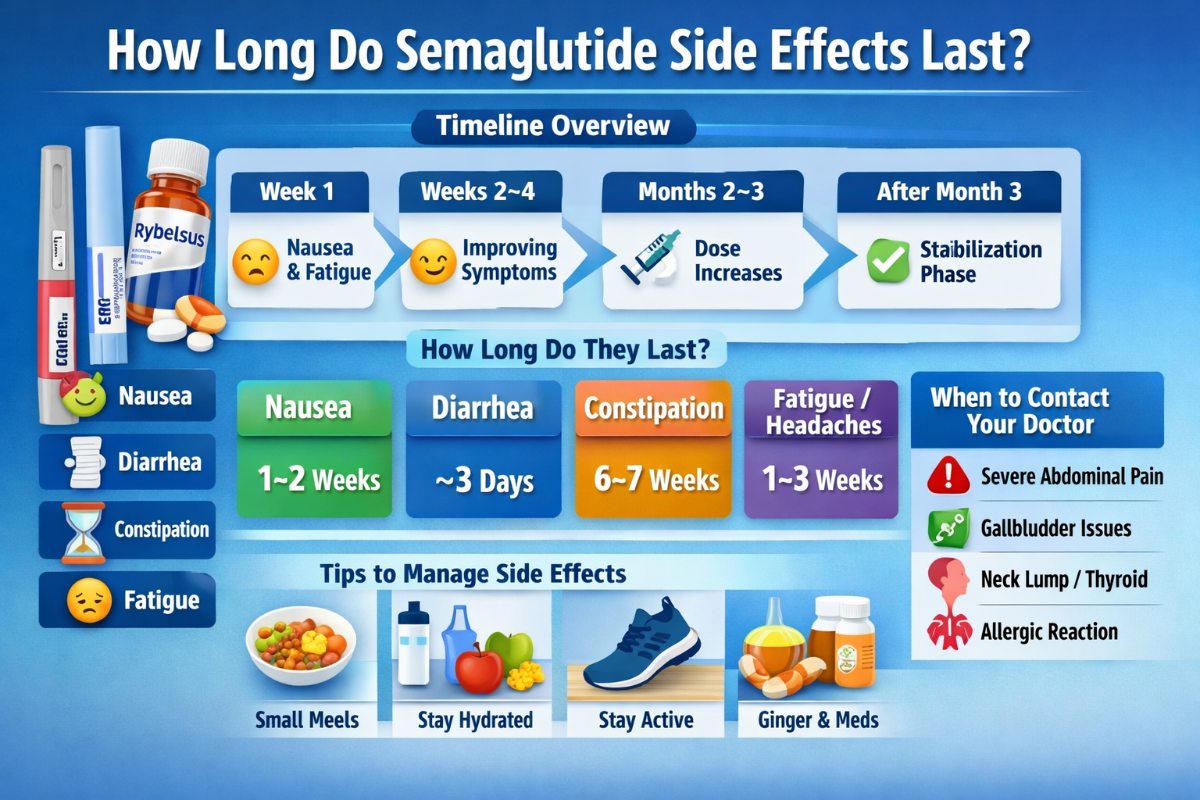
- Clinical evidence is maturing. GLP-1 agonists like semaglutide and tirzepatide, both peptides, have produced the most compelling weight-loss data ever recorded in pharmaceutical trials. That clinical success is lending credibility to the broader peptide research category.
- The regulatory environment is clarifying. After two years of restriction, the HHS reclassification signals a more permissive approach to physician-supervised peptide therapy.
- The longevity science framework is improving. The 2023 landmark paper by Lopez-Otin et al. in Cell, identifying 12 hallmarks of biological aging, has given researchers a precise map of which aging mechanisms to target and which peptides target which hallmarks.
Best Peptides Ranked by Science: Our Evidence Tier System
Every peptide in this guide is assigned an evidence tier based on the quality and volume of available research. This matters because the peptide space is full of compounds where animal data is conflated with human clinical evidence and they are not the same thing.
| Tier | Definition | Evidence Type |
|---|---|---|
| Tier A — Human Clinical Data | High-quality evidence from human studies | Randomized controlled trials, observational studies, or robust case series in humans |
| Tier B — Strong Preclinical | Consistent results across multiple animal studies with strong biological plausibility for human application | Multiple independent animal studies with reproducible outcomes |
| Tier C — Early / Mechanistic | Early-stage findings with limited validation | Cell studies, single animal studies, or limited independent replication |
A high-tier rating indicates strong evidence. It does not mean the compound is safe for human use, approved by the FDA, or appropriate outside a research context. A low-tier rating does not mean the peptide does not work it means the evidence base is early and conclusions should be held loosely.
Top 10 Best Peptides in 2026
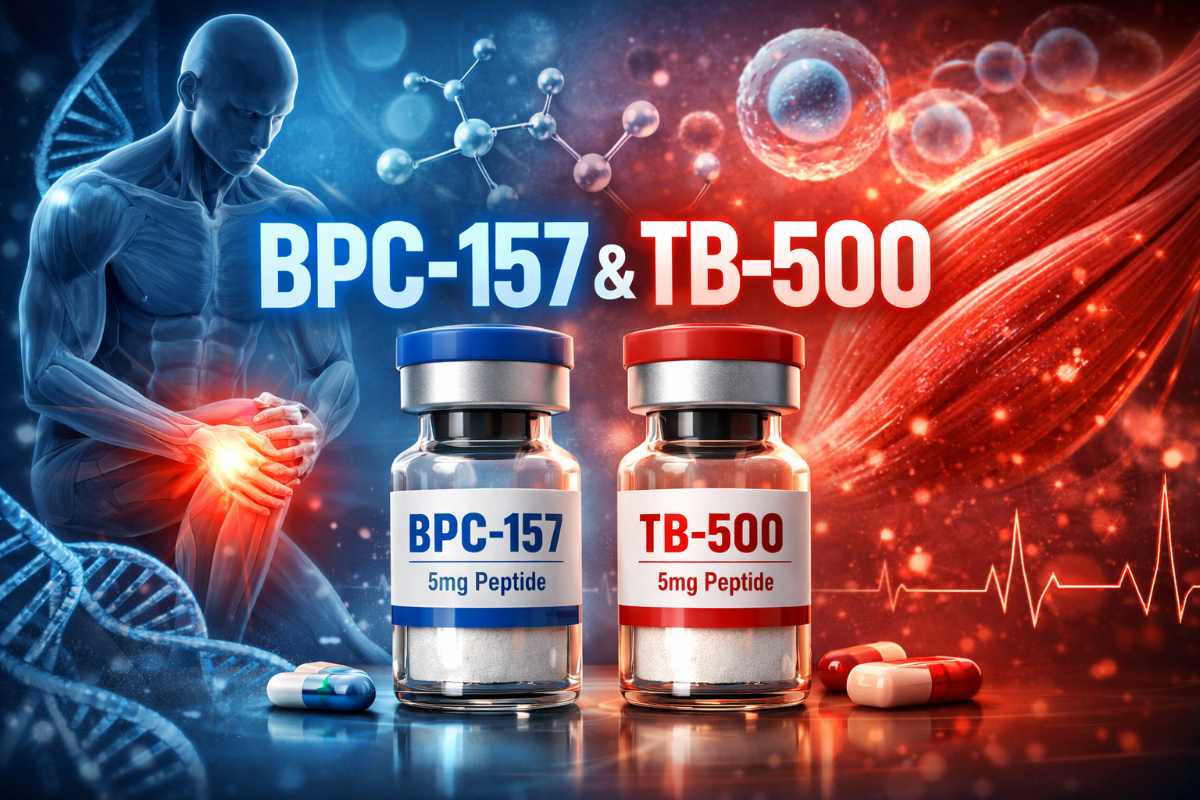
1. BPC-157 The Healing Powerhouse
Main benefits: Accelerates recovery from injuries, protects the gut lining, and reduces inflammation.
Used for: Tendon, ligament, and muscle repair; gut health.
BPC-157 (Body Protection Compound-157) remains the most discussed peptide in 2026. Derived from a protein found in stomach acid, it’s been shown in numerous animal and early human studies to enhance tissue healing and modulate inflammation.
Highlights:
- May improve tendon and ligament recovery speed
- Promotes angiogenesis (formation of new blood vessels)
- Some users report reduced joint pain and faster post-surgery recovery
Caution: Still not FDA-approved for human use, and high doses could theoretically promote unwanted cell growth. Always use medical supervision.
2. TB-500 (Thymosin Beta-4) The Flexibility Booster
Main benefits: Enhances wound healing, tissue repair, and cellular migration.
Used for: Recovery, mobility, and performance optimization.
Often stacked with BPC-157, TB-500 supports muscle regeneration and injury recovery by promoting actin production crucial for cell structure and repair. Many athletes credit it for faster recovery times and better flexibility.
Highlights:
- Works synergistically with BPC-157
- May improve circulation and reduce inflammation
- Can speed up the healing of soft-tissue injuries
Caution: Still considered research-grade; sourcing purity is critical.
3. CJC-1295 + Ipamorelin The Growth Hormone Duo
Main benefits: Boosts natural GH production, improves sleep, promotes fat loss, and muscle gain.
Used for: Anti-aging, body composition, performance, recovery.
This duo of growth hormone–releasing peptides (GHRPs) stimulates the body’s own GH production rather than injecting synthetic GH. Users often report improved body composition, deeper sleep, and faster recovery.
Highlights:
- Encourages natural, rhythmic GH pulses
- Increases lean muscle and reduces body fat
- Enhances recovery, skin elasticity, and sleep quality
Caution: Can raise IGF-1 levels regular lab monitoring is essential. Not advised for anyone with active or recent cancer.
4. GHK-Cu The Beauty Peptide
Main benefits: Improves skin texture and elasticity, and supports hair growth.
Used for: Anti-aging skincare and hair rejuvenation.
GHK-Cu (Copper Peptide) is the most proven topical peptide on the market, backed by decades of cosmetic science. It enhances collagen synthesis, reduces fine lines, and promotes wound healing.
Highlights:
- Clinically backed for skin rejuvenation
- Stimulates new hair growth and thickens follicles
- Reduces visible signs of aging
Caution: Topical use is considered safe, but avoid unverified homemade formulations.
5. Epitalon: The Longevity Signal
Main benefits: Supports telomere length and healthy aging.
Used for: Longevity, sleep improvement, cellular health.
Epitalon (also called Epithalon) is one of the few peptides linked to telomerase activation, potentially slowing cellular aging. Early studies suggest benefits for circadian rhythm regulation and immune balance.
Highlights:
- May lengthen telomeres (a marker of biological aging)
- Improves sleep quality and energy
- Theoretical anti-cancer and anti-aging effects
Caution: Evidence is mainly from animal and small human studies; use remains experimental.
6. Tesamorelin The Fat-Loss Specialist
Main benefits: Reduces visceral fat, boosts metabolism.
Used for: Metabolic health and fat reduction.
Tesamorelin is one of the few FDA-approved peptides (for HIV-associated lipodystrophy) and has growing off-label use for abdominal fat loss and metabolic optimization.
Highlights:
- Clinically proven to reduce visceral fat
- Improves insulin sensitivity
- Enhances muscle definition and metabolism
Caution: Can raise IGF-1 levels; should only be used under medical supervision.
7. AOD-9604 The Fat-Burning Fragment
Main benefits: Enhances fat metabolism without affecting blood sugar.
Used for: Weight management and body recomposition.
AOD-9604 is a modified fragment of human growth hormone (the “fat-burning” portion). It’s shown promise in preclinical studies for stimulating lipolysis (fat breakdown) and reducing new fat formation.
Highlights:
- May support fat loss without GH side effects
- Often combined with CJC-1295 or Ipamorelin
- Non-anabolic, so safer for general use
Caution: Evidence remains limited in large-scale human trials.
8. Thymosin Alpha-1 (TA-1) The Immune Defender
Main benefits: Strengthens the immune system and modulates inflammation.
Used for: Immune support, recovery, and longevity.
Thymosin Alpha-1 has shown impressive results in supporting immune resilience and modulating inflammation. It’s being studied for its role in chronic infections, autoimmune regulation, and even cancer immunotherapy.
Highlights:
- Enhances T-cell function
- Reduces chronic inflammation
- May improve response to infections and vaccines
Caution: Generally well-tolerated, but clinical supervision remains key.
9. MOTS-c The Mitochondrial Optimizer
Main benefits: Improves energy metabolism and insulin sensitivity.
Used for: Longevity, energy, and metabolic health.
MOTS-c (mitochondrial-derived peptide) is emerging as a major longevity peptide in 2026. It helps regulate energy use, glucose metabolism, and cellular stress responses, acting as a metabolic reset signal.
Highlights:
- Supports mitochondrial efficiency
- May improve exercise endurance
- Promising for metabolic syndrome and insulin resistance
Caution: Early-stage research or studies are preclinical or small human trials.
10. Semax & Selank The Brain Boosters
Main benefits: Enhance focus, reduce anxiety, improve cognition.
Used for: Mental performance and mood regulation.
Developed in Russia, Semax and Selank are short neuropeptides that modulate neurotransmitters such as dopamine and serotonin. They’re gaining popularity in 2026for cognitive enhancement and stress resilience.
Highlights:
- Improve focus, clarity, and mental stamina
- Reduce anxiety and promote calmness
- Nasal spray delivery for rapid effect
Caution: Limited Western clinical validation; results can vary.
| Peptide | FDA Status | Safety Profile | Key Risk | Monitoring Needed |
|---|---|---|---|---|
| BPC-157 | Not approved | Moderate (animal data) | Unknown long-term effects | General health markers |
| TB-500 | Not approved | Moderate | Cell growth concerns | Inflammation markers |
| CJC-1295 + Ipamorelin | Not approved | Moderate | Elevated IGF-1 | IGF-1, glucose |
| GHK-Cu | Cosmetic use accepted | High (topical) | Minimal | None (topical) |
| Epitalon | Not approved | Low–moderate | Limited human data | General labs |
| Tesamorelin | Approved | High (clinical use) | IGF-1 increase | IGF-1, glucose |
| AOD-9604 | Not approved | Moderate | Limited trials | Metabolic markers |
| Thymosin Alpha-1 | Approved (some countries) | High | Mild side effects | Immune markers |
| MOTS-c | Not approved | Early-stage | Limited data | Metabolic labs |
| Semax & Selank | Not FDA-approved | Moderate | Variable response | Neurological response |
Safety, Legality, and Quality Control
While peptides are promising, not all are approved for human use. The FDA currently recognizes only a few peptides (like Tesamorelin) for medical applications. Most others are considered “research compounds.”
Key safety guidelines:
- Only use medically supervised peptides. Avoid gray-market or unregulated online sellers.
- Request Certificates of Analysis (COAs) to confirm purity and identity.
- Monitor labs (IGF-1, glucose, liver function, etc.) when using systemic peptides.
- Cycle usage doesn’t stay on continuously without medical oversight.
- Remember lifestyle first: Nutrition, sleep, and training amplify peptide benefits.
Future of Peptides: What to Expect Beyond 2026
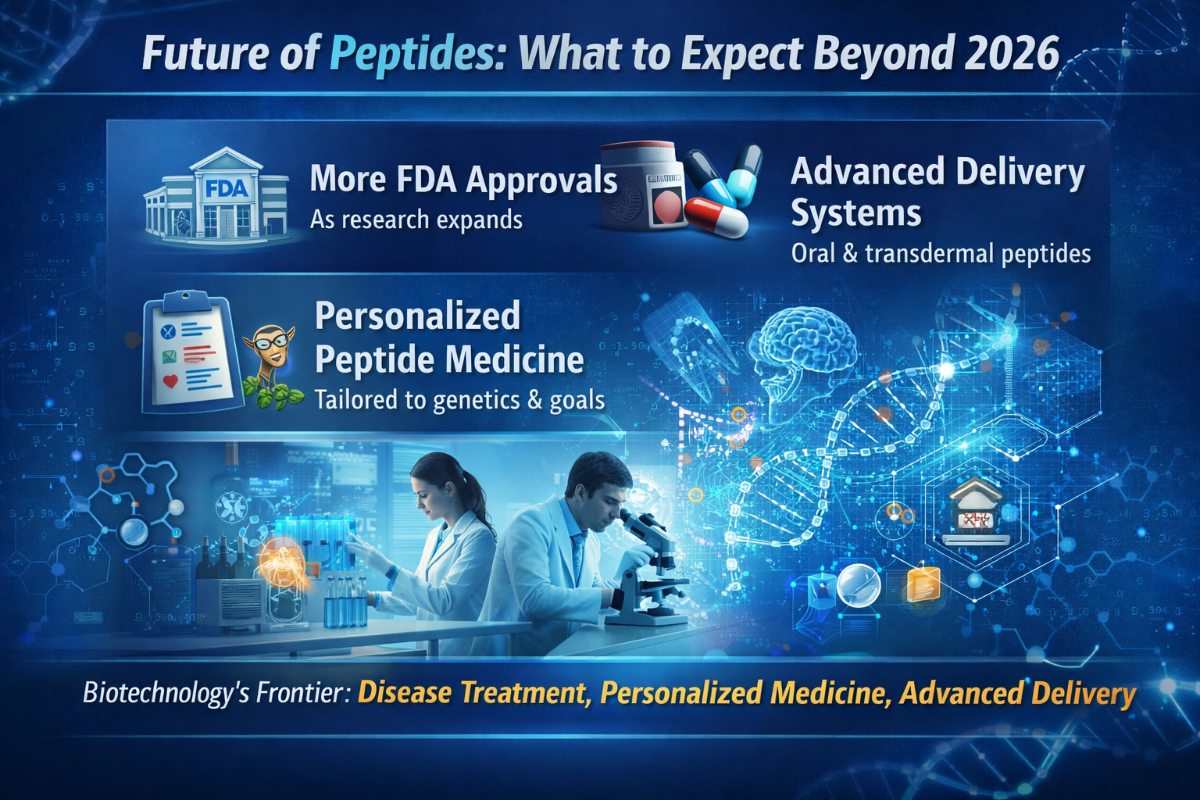
The next few years will likely bring:
- More FDA approvals as research expands.
- Advanced delivery systems (oral and transdermal peptides replacing injections).
- Personalized peptide medicine tailored to your genetics, biomarkers, and goals.
Clinical research continues to explore peptides for the treatment of neurodegenerative diseases, cancer therapy, and metabolic disorders, making this one of the most dynamic areas of modern biotechnology.
Conclusion
In 2026, peptides sit at the intersection of science and self-optimization. They offer powerful possibilities for healing, regeneration, fat loss, and anti-aging, but they are not magic bullets. The most successful users combine peptides with healthy habits, data-driven monitoring, and professional guidance. If you decide to explore peptides for healing , start with well-researched options like GHK-Cu, CJC-1295/Ipamorelin, or BPC-157, and always prioritize quality, lab verification, and medical oversight. Used responsibly, peptides could help unlock a future where health, not just lifespan, is within your control.
Frequently Asked Questions (FAQs)
What is the best peptide for anti-aging in 2026?
The answer depends on which aging mechanism you are prioritizing. GHK-Cu has the broadest body of independently replicated evidence for systemic anti-aging effects. Epitalon is the strongest candidate for telomere biology. For systemic metabolic aging, MOTS-c and the CJC-1295/Ipamorelin stack address different aspects of the same problem. Advanced protocols target multiple hallmarks simultaneously using stacks.
Are peptides legal in the US in 2026?
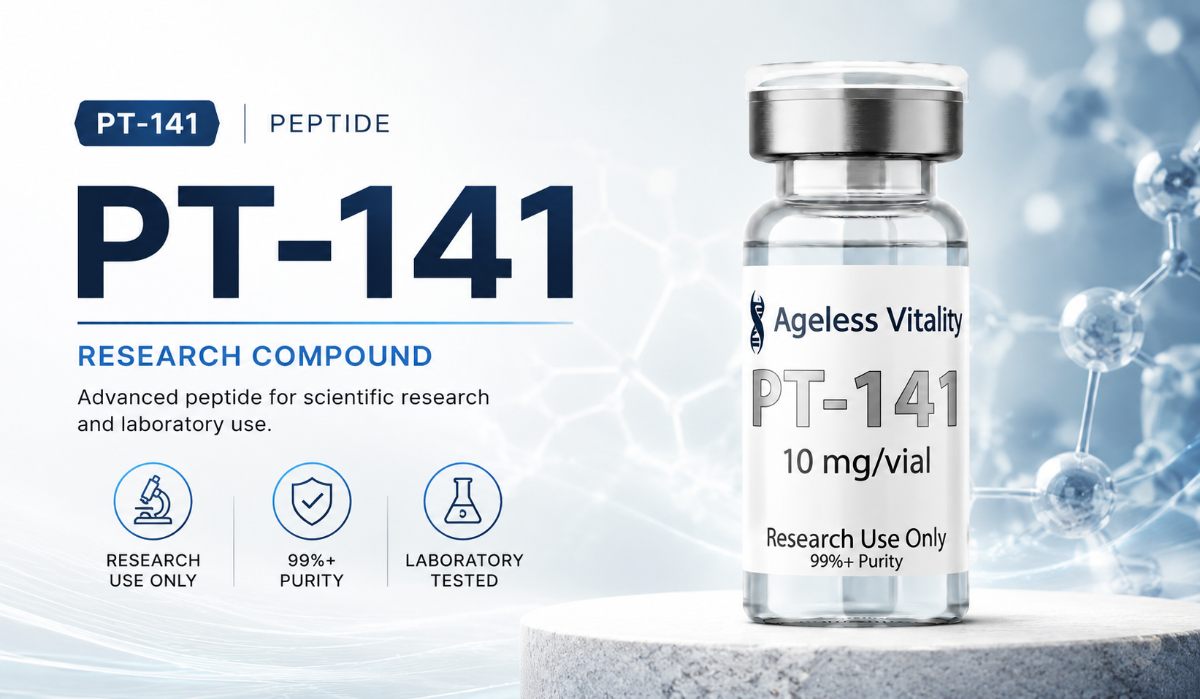
It depends on the specific peptide and its source. FDA-approved peptides (semaglutide, tirzepatide, PT-141) are legal prescription drugs. Following the February 2026 HHS announcement, approximately 14 previously restricted peptides are expected to return to legal compounding status and be available through licensed pharmacies with a physician’s prescription. Research-grade peptides sold as laboratory compounds occupy a separate legal category. The formal FDA published list has not been released as of this writing.
What is the difference between a research peptide and an FDA-approved peptide?
An FDA-approved peptide has completed Phase 3 human clinical trials demonstrating safety and efficacy for a specific indication and has undergone full FDA review. Research peptides have not completed this process they may have extensive animal or mechanistic data, but lack the human trial evidence required for regulatory approval. Research peptides sold by companies like Ageless Vitality Peptides are intended exclusively for laboratory research, not human therapeutic use.
What is the safest peptide to start with?
For researchers with GH-axis goals, Sermorelin has the longest clinical track record and the historical FDA approval for a related indication. For research on healing and tissue repair, BPC-157 has the broadest animal safety profile. In skin and anti-aging research, topical GHK-Cu has minimal systemic exposure and an excellent safety profile in clinical studies. The “safest” compound depends entirely on your research objectives and protocol design.
What peptide has the most clinical evidence?
Among FDA-approved peptides, semaglutide has the most robust evidence — tens of thousands of subjects across multiple Phase 3 trials. Among research-grade peptides, GHK-Cu has the broadest body of independently replicated evidence for skin and tissue applications. Thymosin Alpha-1 has the strongest regulatory track record, with approval in 30+ countries.
How do I verify peptide purity before using it in research?
Request a batch-specific Certificate of Analysis (COA) with HPLC and mass spectrometry data. The COA should be tied to your specific batch number, not a generic document. HPLC purity ≥99% is the research standard. Any vendor that cannot provide batch-specific, third-party-verified COA documentation does not meet research-grade standards.
Is BPC-157 legal in 2026?
As of April 2026, BPC-157 remains technically Category 2 from a compounding pharmacy standpoint, as the FDA has not yet formally published the updated list following the February 2026 HHS announcement. Research vendors continue to operate under research-only disclaimers. Once the formal reclassification is published, BPC-157 will be available through licensed compounding pharmacies with a physician’s prescription. Verify current status with a licensed physician or accredited compounding pharmacy.